
12 Must-do Things in Tobago: Beaches, Nature & Local Life
Tobago is one place I won’t stop thinking about any time soon. It gave us beauty, serenity, amazing people and an all-round unforgettable travel experience. We spent 3 weeks hopping around the island, and already miss it.
Prior to heading to Tobago, we researched a lot and wracked out brains figuring out what activities to do. Unfortunately, there just wasn’t a lot of rich consolidated or updated information. This is a list of 12 things we enjoyed doing and recommend as iconic, unique experiences if you’re in Tobago. If you’re on the fence, I can reassure you that a trip to Tobago is worth it.
The 12 activities you should add to your list are:
- Swim and relax on the beach, of course
- Go on a bioluminescence tour or a glass boat tour to Nylon Pool
- Liming at Anchor Bar & Grill
- Explore the rainforests, particularly Main Ridge Forest Reserve
- Enjoy a cooling dip at a waterfall, like Argyle Waterfall or Castara Waterfall
- Try Tobago’s local flavors…doubles, roti
- Check out the Castara Bonfire or the Bonfire at Moon Over Water Bar
- Experience Harvest or a Sunday School Street Party
- Sign up for Water Sports: Surfing Snorkelling, Diving
- Bird watching
- Mountain bike around the island
- Seasonal activities, like trying bush meat or watching a goat race
1. SWIM AND RELAX ON THE BEACH (OF COURSE!)
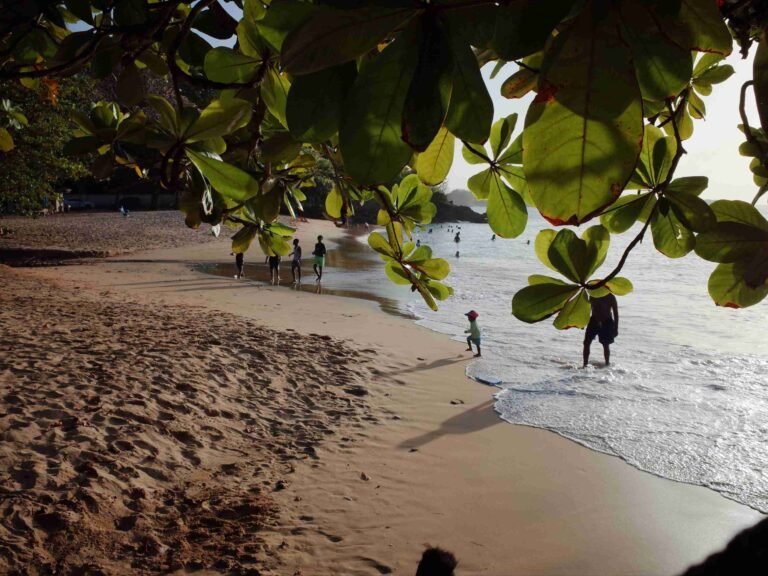
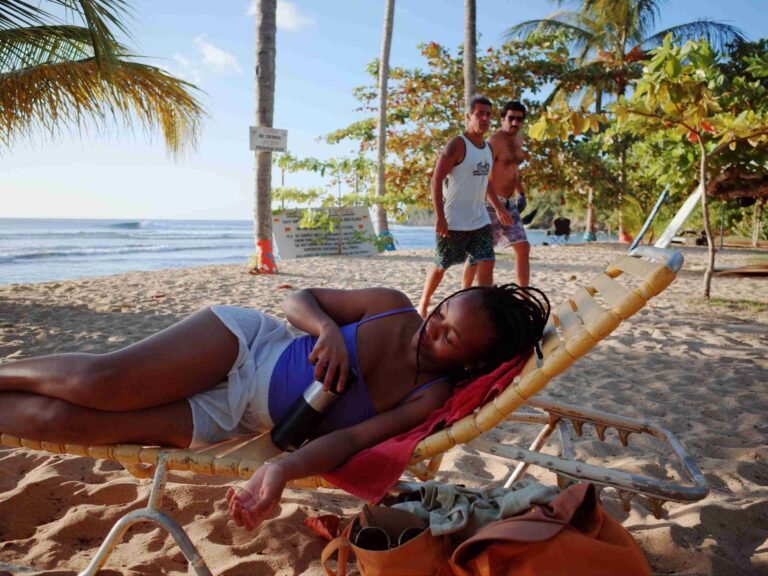
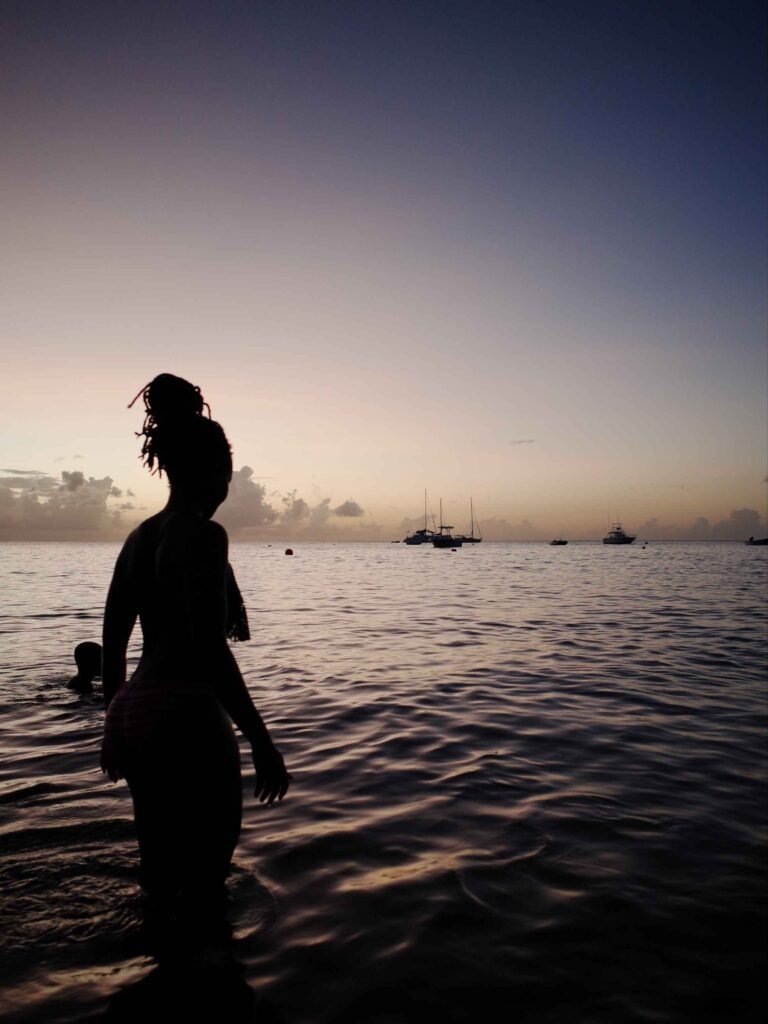
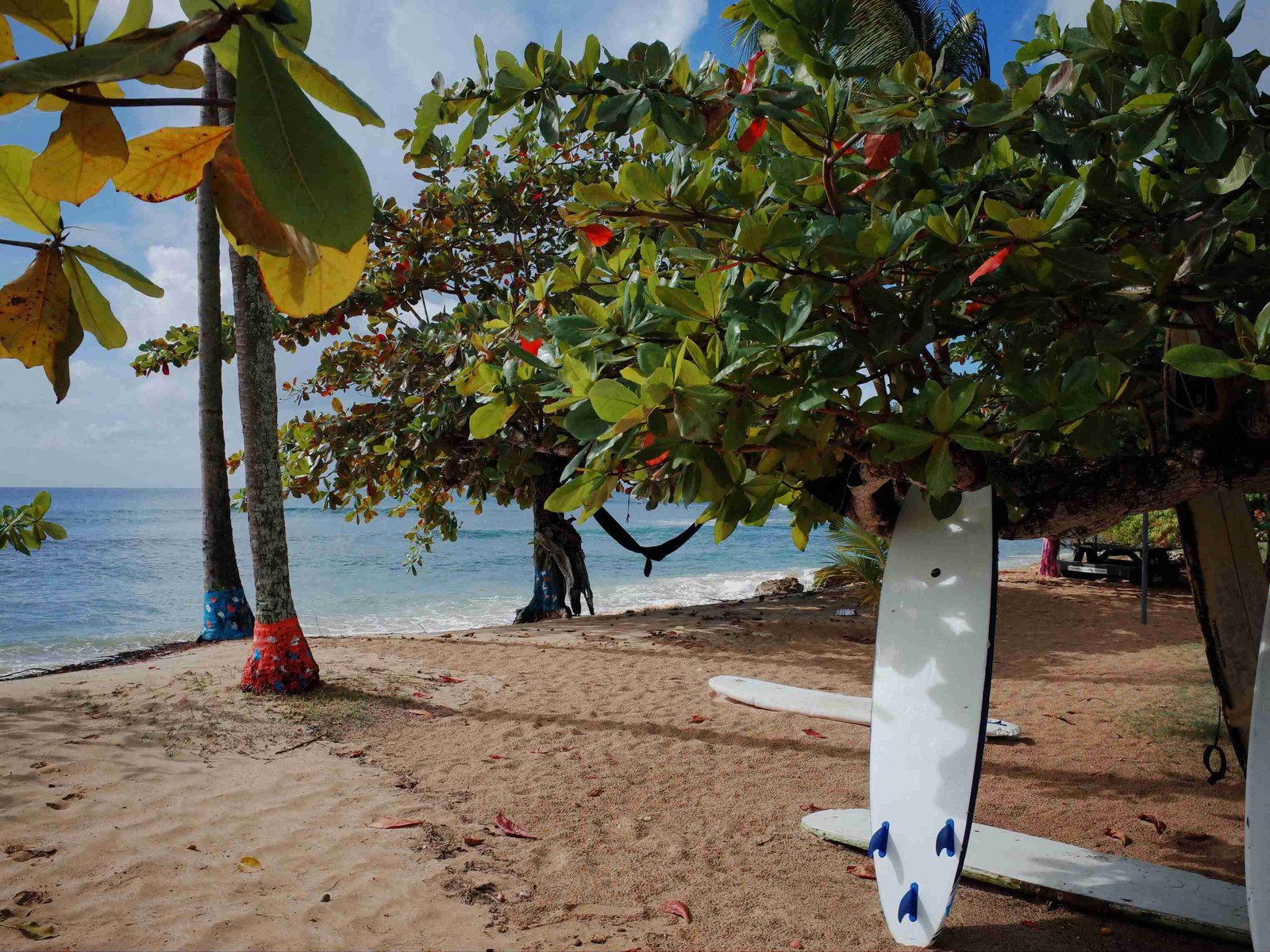
Obvious, I know, but stay with me. Tobago offers some of the nicest and most pristine beaches in the Caribbean. White sandy beaches, beaches with cliffs, colourful beach fronts, beaches with toxic mangroves. AND the beaches are not crowded or lined with hotels or skyscrapers. You get some much-needed peace and quiet, and beautiful horizon views.
It helps that the local people and especially the beach sellers are kind, chatty and not persistent. So, you can count on not being hounded by sellers or even being overcharged for anything (beach umbrellas, drinks etc).
You can spend lots of time lounging at the different beaches including Mt Irvine, Castara, Black Rock and Pigeon Point, depending on the vibe you want. Whether you’re craving some sun, a swim or are keen to read a book while staring out to see, then the beaches in Tobago are the right place for you.
2. GO ON A BIOLUMINESCENCE TOUR OR A GLASS BOTTOM TOUR TO NYLON POOL
TOBAGO BIOLUMINESCENCE TOUR
We first saw these famous bioluminescence tours widely advertised on Instagram – and we were intrigued. Bioluminescence tours are your opportunity to see the ocean waters sparkle. Bioluminescence is the natural process by which living organisms produce and radiate light. It occurs through a chemical reaction and results in glowing plankton hence getting that magical ocean display.
For the best displays, it needs to be absolutely dark so check the moon cycle on your night. Unfortunately, it can be pretty hard to capture the display on camera. So here’s a short video from Visit Tobago illustrating the phenomenon.
The tours can be done either paddling or kayaking – as you run your kayak through the water, the plankton is disturbed creating some dazzling light trails.
If you would like to experience this crazy natural event, then you can book a tour of your own here: 2026 Luxury bioluminescence tour.
GLASS-BOTTOM BOAT TOUR TO NYLON POOL
Alternatively, you could also grab a boat and head out to Nylon Pool, a sandbar a mile in the water that offers a natural, waist-deep turquoise pool. Legend says Princess Margaret once called it a “fountain of youth” due to its clear, nylon-like water and opportunities for snorkelling.
The best way to get there is by boat from Pigeon Point or Buccoo, with a choice to do a glass-bottom tour. The pool also has great conditions for snorkelling due to its location near Buccoo Reef. I recommend being careful with the boat you choose – some are more party oriented and therefore get quite crowded, while others offer a quieter intimate experience.
For a budget glass bottom boat tour including Buccoo, check out this tour: Buccoo Reef and Nylon Pool Glass Bottom Boat Tour . Alternatively if you want something a bit more luxury and private, with snorkelling included as well as a visit No Man’s Land, then this might be the tour for you: Luxury Reef and Nylon Pool Adventure.
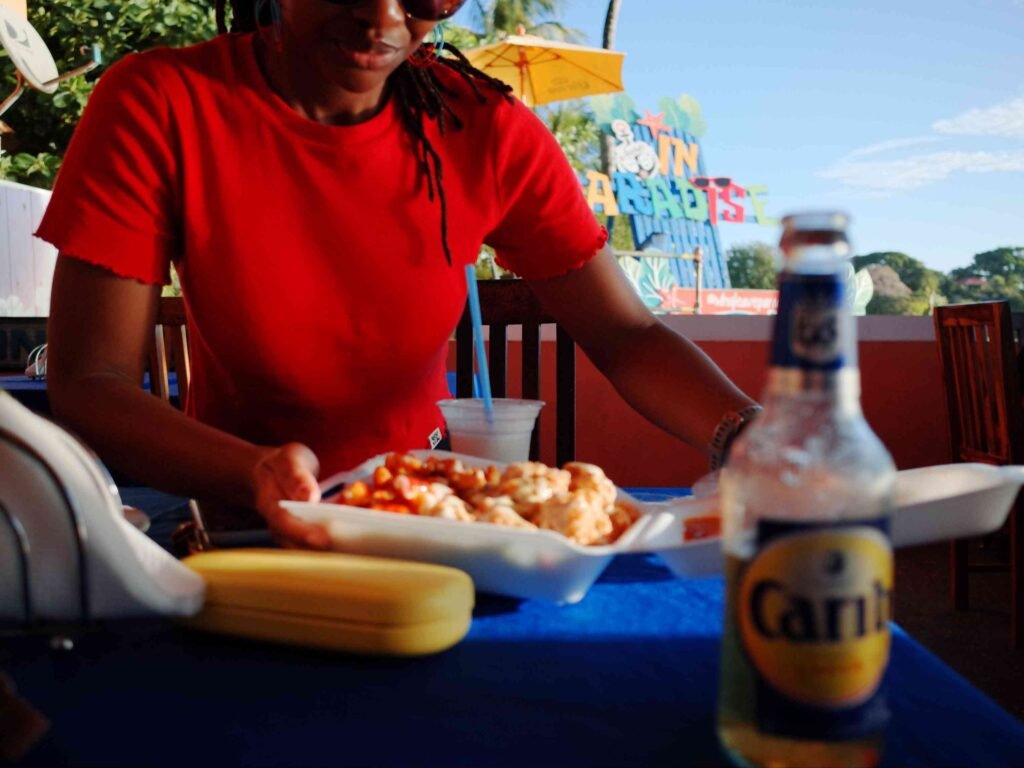
3. LIMING AT ANCHOR BAR & GRILL
Oh, what’s liming you may ask? Liming is the local slang for socializing, hanging around, loitering (the good kind). The pace in Tobago is very slow and relaxed, so value is placed in socializing with friends and the community. No better place to go liming than at … Anchor Bar & Grill in Mt. Irvine.
Anchor Bar & Grill is the place to be on the island, for both tourists and locals alike. We loved Anchor so much and must have gone there 10+ times over the course of our trip. Since it’s located right on the Mt. Irvine Beach front, we would alternate between dips in the water and hanging out at the bar. The vibe is immaculate; sound of waves hitting the beach, people enjoying their drinks chatting and constant music (I think the song Greatest Bendover imprinted on my brain).
The food at the grill was so affordable and sumptuous. Whether it was fish and chips or fried chicken, the different delicacies always hit the spot in the hot Tobago weather. Also, you get drinks for a steal! Beer for less than 3 USD and amazing cocktails for only 7 USD?! Epic. Side tip: be careful with the rum punches in Trinidad and Tobago – they’re cheap but they pack a punch!
4. EXPLORE THE RAINFORESTS, PARTICULARLY MAIN RIDGE FOREST RESERVE
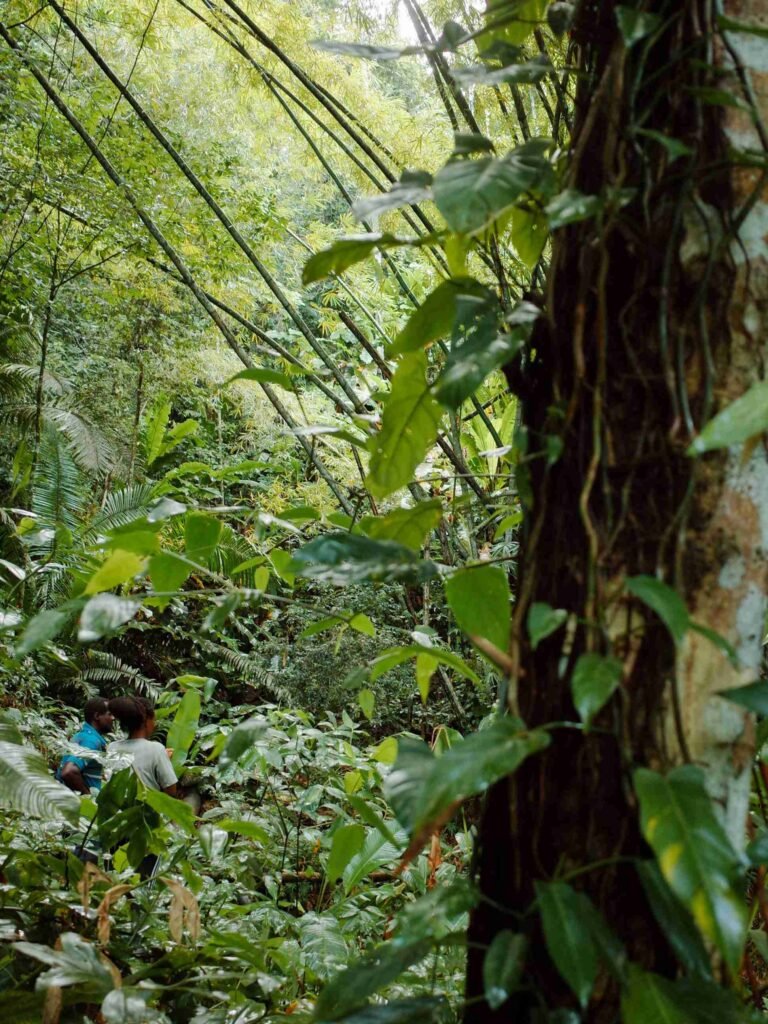
One of our favorite things to do is hiking, and so checking out the hiking options in Tobago was a foregone conclusion. The main spot for hiking on the island is the Main Ridge Forest Reserve, the backbone of the island, located in northeast Tobago and covering x km.
The Tobago Main Ridge Forest Reserve is home to a wide variety of flora and fauna, including endemic species. Did you know that it’s one of the oldest protected forests in the world, and now a UNESCO Reserve.
A brief Guide to Hiking Tobago Main Ridge Forest Reserve: My Experience, How to Visit
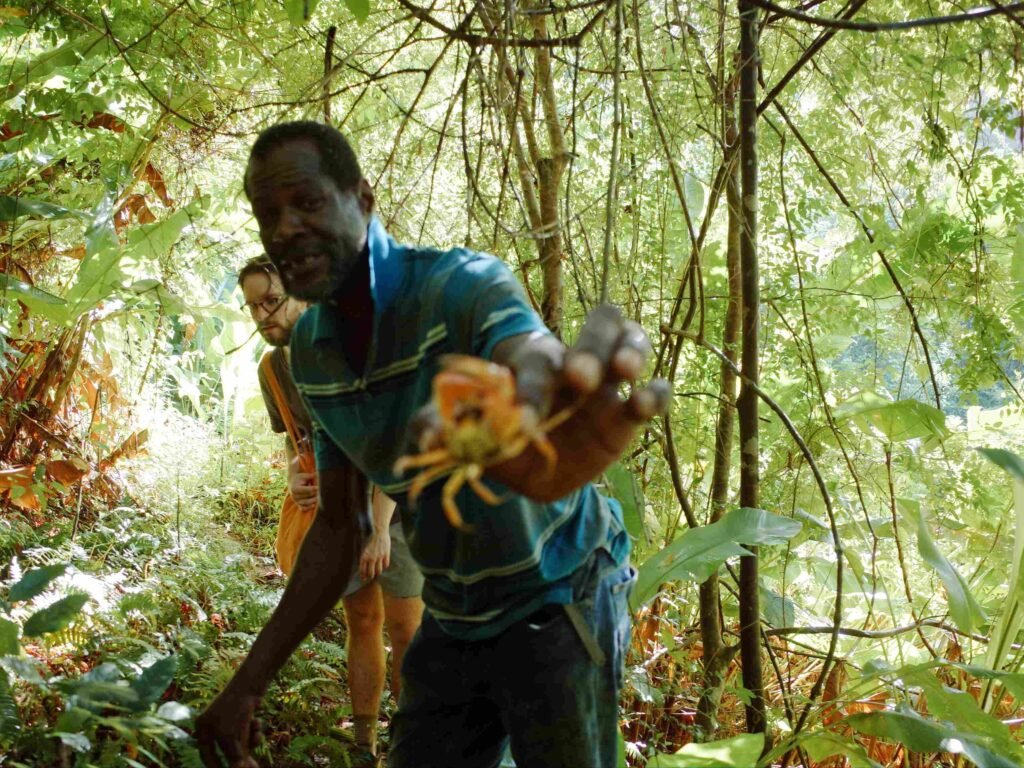
The best way to explore the Forest Reserve is with a local guide who can teach you about the different animals and plants and share local stories and tips.
Crazy story: we found our local guide through a random conversation at a bar. The guide grew up on the island and he now works clearing trails and roads around Tobago. He had some mind-blowing stories about the plants, animals and just growing up on the island. Furthermore, he didn’t even ask for cash – just told us to pay what we can afford/think its worth. It was a much better experience than a professional guide would have provided. Lesson learnt: Tobago is very social, you just got to ask around and you may end up with some beautiful experiences.
There are also various tour operators that offer guided group trips to the Forest Reserve, but I would recommend our way of asking around for a local guide.
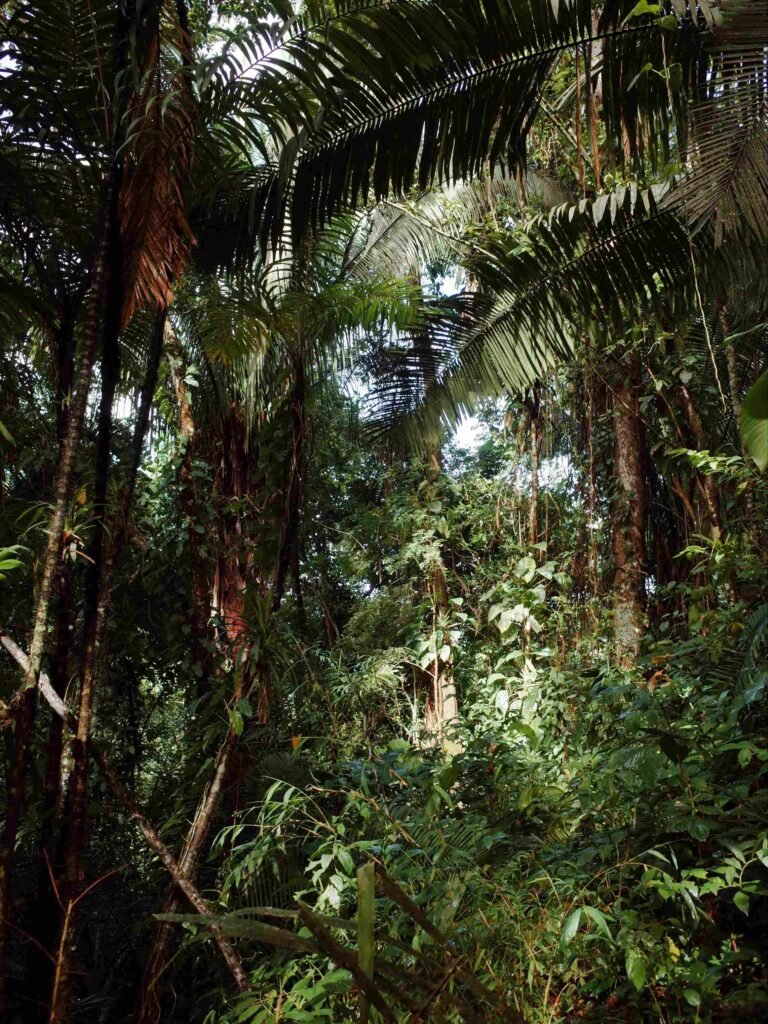
What is the weather like in Main Ridge Forest Reserve Tobago
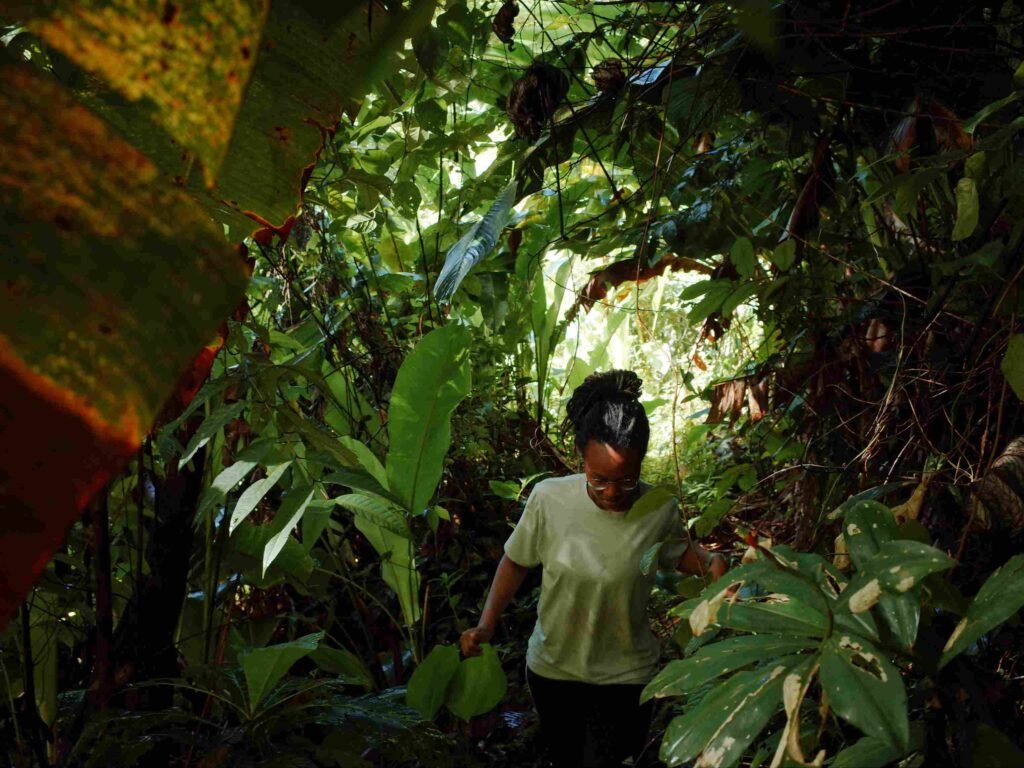
As it’s a rain forest, the weather inside the forest can be very unpredictable. We hiked there in November, in the last stretch of the off-peak season (June – December). The heavens opened during our hikes and down came a tropical downpour. It was a beautiful experience being in a rainforest during a rainstorm but as we quickly found out, it can be very dangerous. We were soaked, the ground became muddy and slippery, and our hiking trail – which was already overgrown – became harder to navigate. As a result, our guide decided to cut the hike short and head back down.
The best time to visit is during the dry season, between December to May. But if you visit during wet season, then you are likely to get less crowds and some mind-blowing rainstorms.
If you’re a hiker, Tobago is an absolute treasure.
5. ENJOY A COOLING DIP AT WATERFALLS, LIKE ARGYLE WATERFALL OR CASTARA WATERFALL
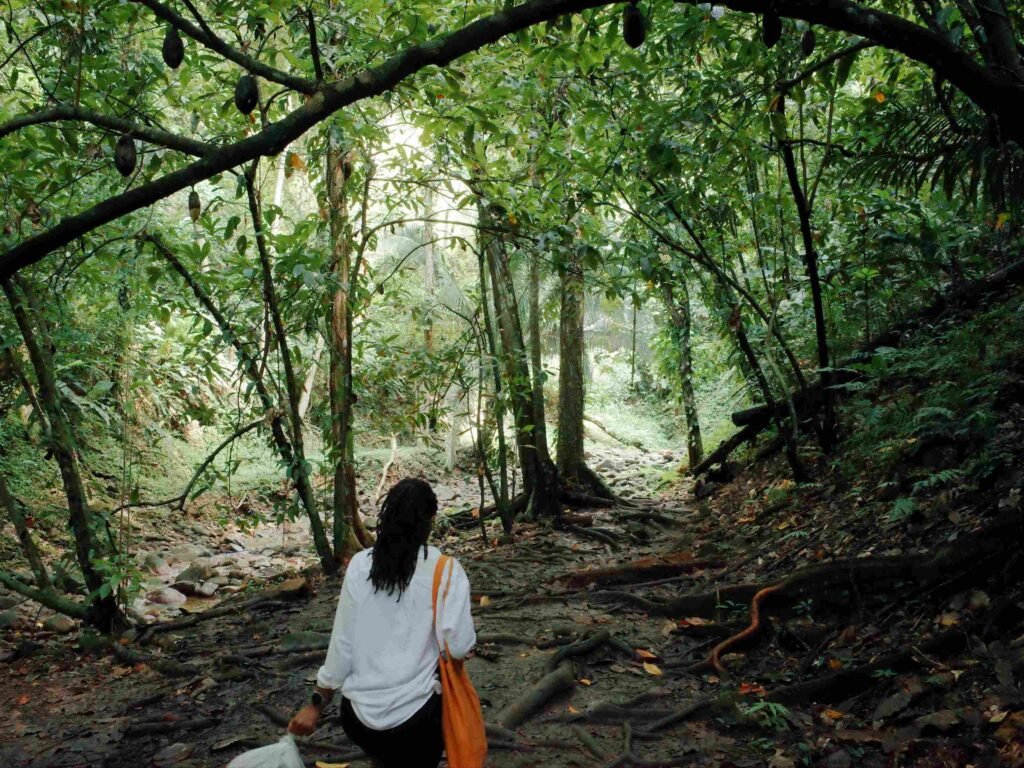
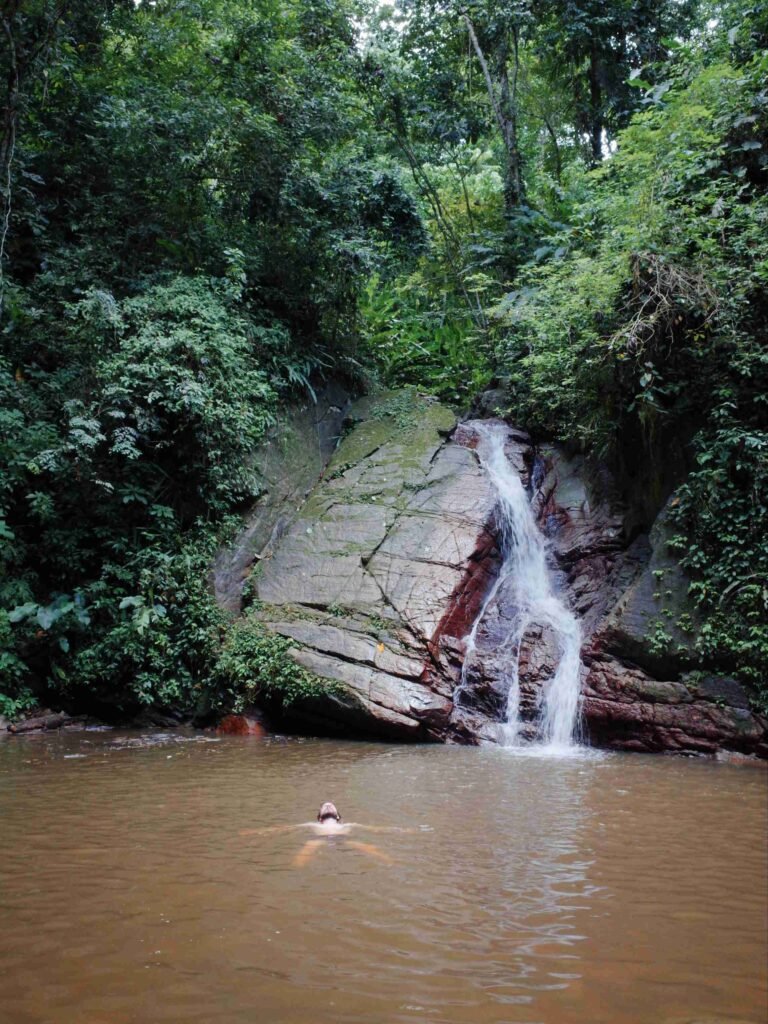
A visit to Tobago would not be complete without checking out one of the numerous waterfalls on the island. One of the more popular ones is Argyle Waterfall, the highest waterfall on Tobago.
Argyll, which plunges 54 metres into a deep pool, is in Main Ridge Forest Reserve. There is a short 1.5 km trail to get there. The waterfall has a small entrance fee which includes a guide – amazing for getting some local insight on birds and reptiles on the island.
For something more lowkey, you must check out the Castara Waterfall. This one requires a brief walk/hike (20-30 minutes) from Castara town – the walk takes you through cocoa bushes, across low riverbeds and you end up in a beautiful natural rock pool. To get there: go to the field behind Cheno’s Coffee Shop (you can park by the field), take the small trail in the far-right corner of the field, follow the trail, you will have to cross the river at 2 points so bring some non-slippery shoes, you’ll be at the waterfall before you know it, voila – enjoy your dip.
6. TRY TOBAGO’S LOCAL FLAVORS…DOUBLES, ROTI
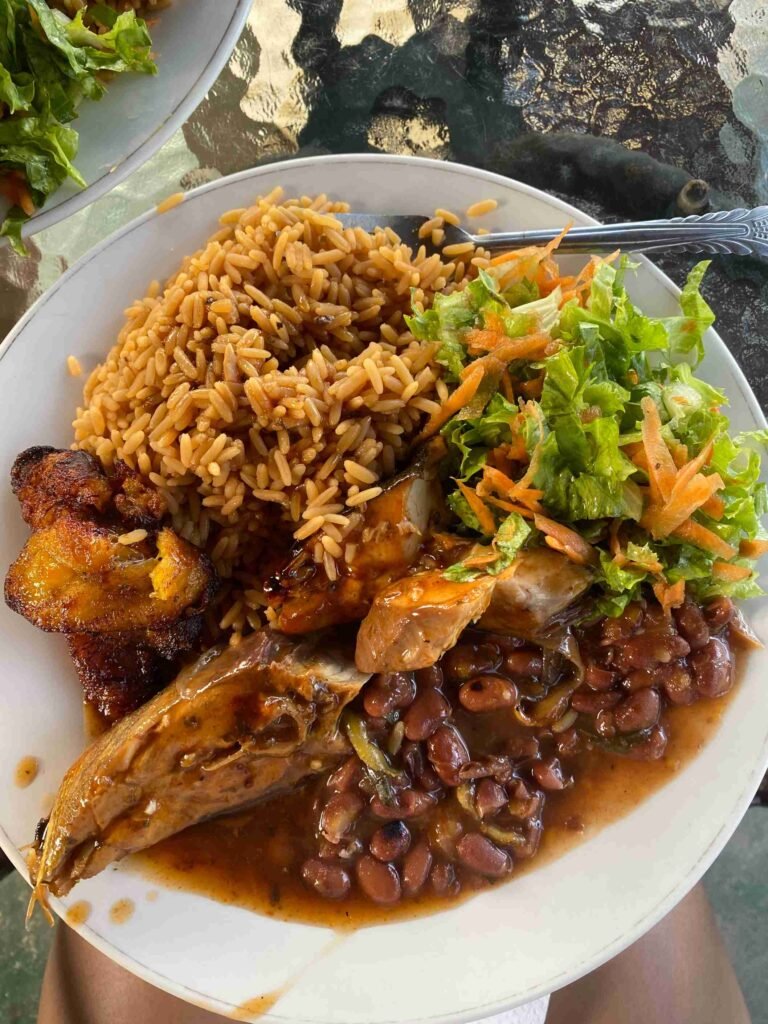
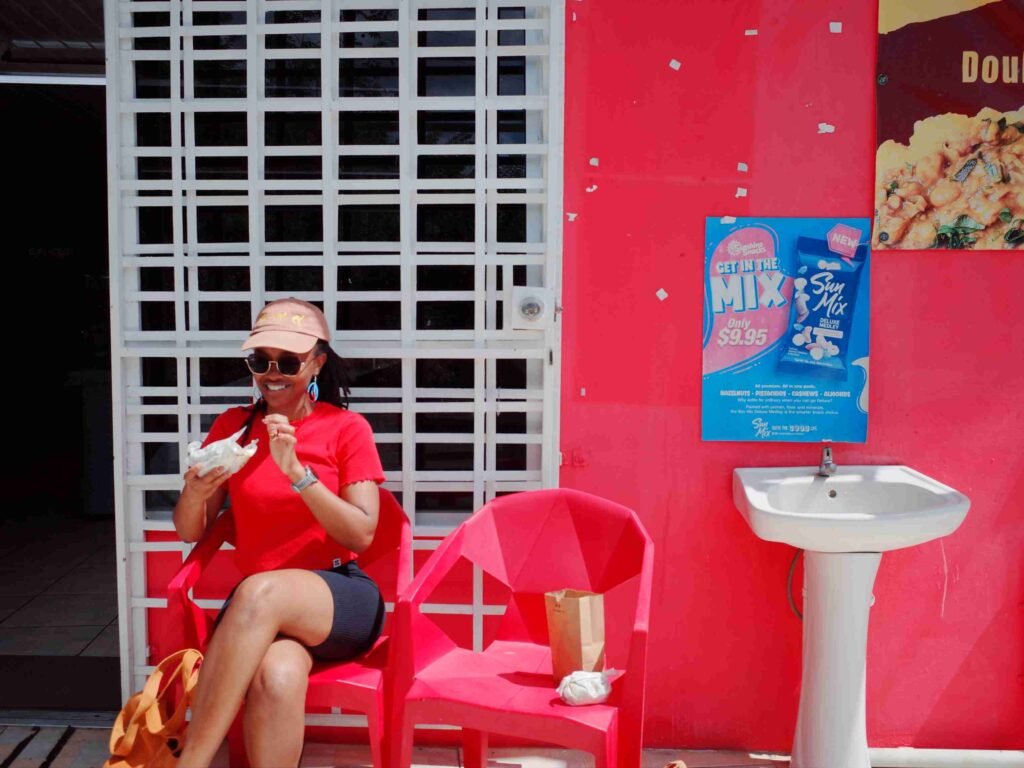
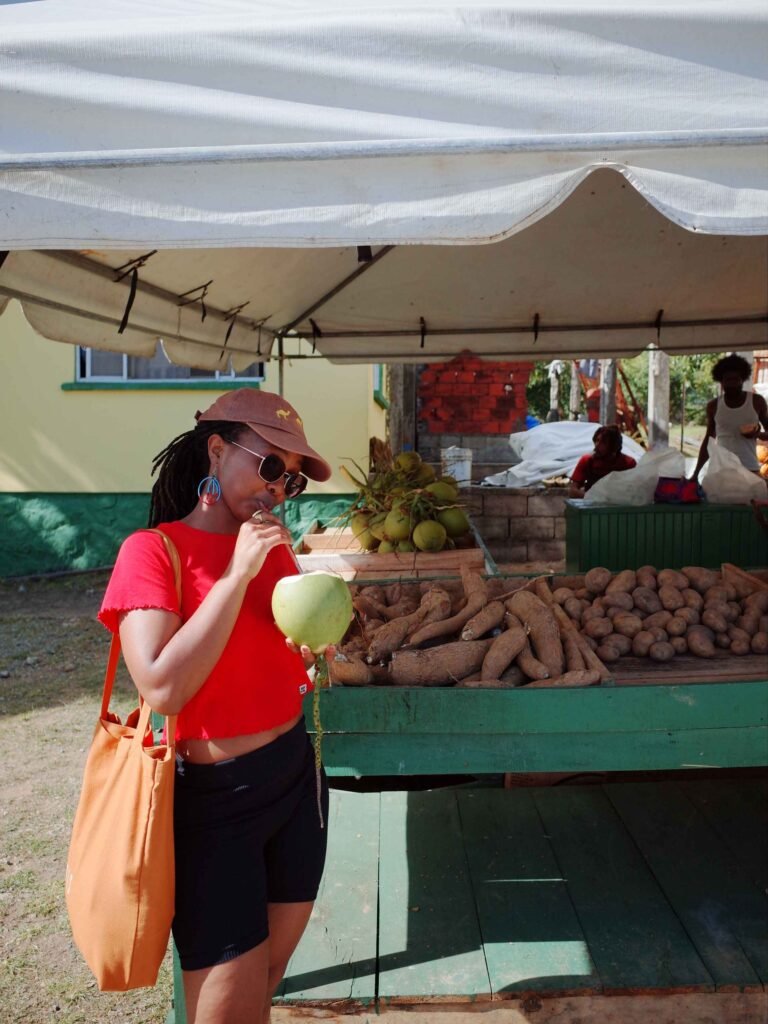

No trip to Tobago would be complete without trying out all the local delicacies. If anything, I’d travel to Tobago only for the food and drinks – everything was so yummy.
Tobago food is exactly like its people and cultures: a mix of African, Indian and Caribbean flavours. A lot of the food features fresh seafood, which you must try – always ask what’s the catch of the day.
Some of our must-try dishes and specialties were:
- Doubles: a kind of chickpea curry between two slices of fried bread, with a choice of chutneys (tamarind, mango) and sauces. Doubles is a popular street food, so it can be found all over the island, just make sure to have it fresh.
- Callaloo: a leafy side dish made with veggies like okra and dasheen leaves, tasted like creamed spinach to me
- Provisions: Not 100% sure what went into provisions – but I’d guess it’s a mix of vegetables . Often served as a staple during meals
Other must try are bake-and-shark, roti, pelau, crab-and-dumpling, stews and pretty much any seafood. All the dishes in Tobago are bursting with spices, herbs, and fresh local ingredients so it’s hard to go wrong. While you’re there make sure to always grab some fresh coconut water.
HOWEVER, our experience was that many restaurants had sporadic opening hours. Places would open and close for the afternoon (Tobagonians love their siesta) or simply not open at all for lunch. We had generally better luck visiting restaurants in the evening but still realized that some villages (like Castara) shut down quite early. Generally, Google maps is not reliable in this part of the world. You’d have more accurate information just asking people around.
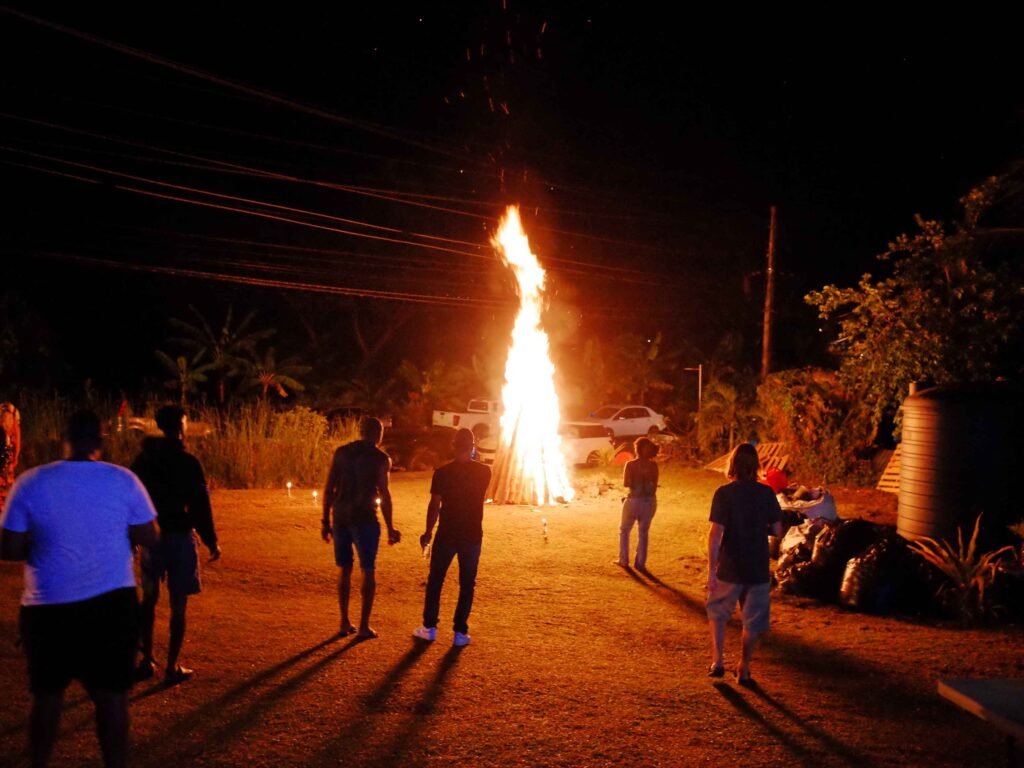
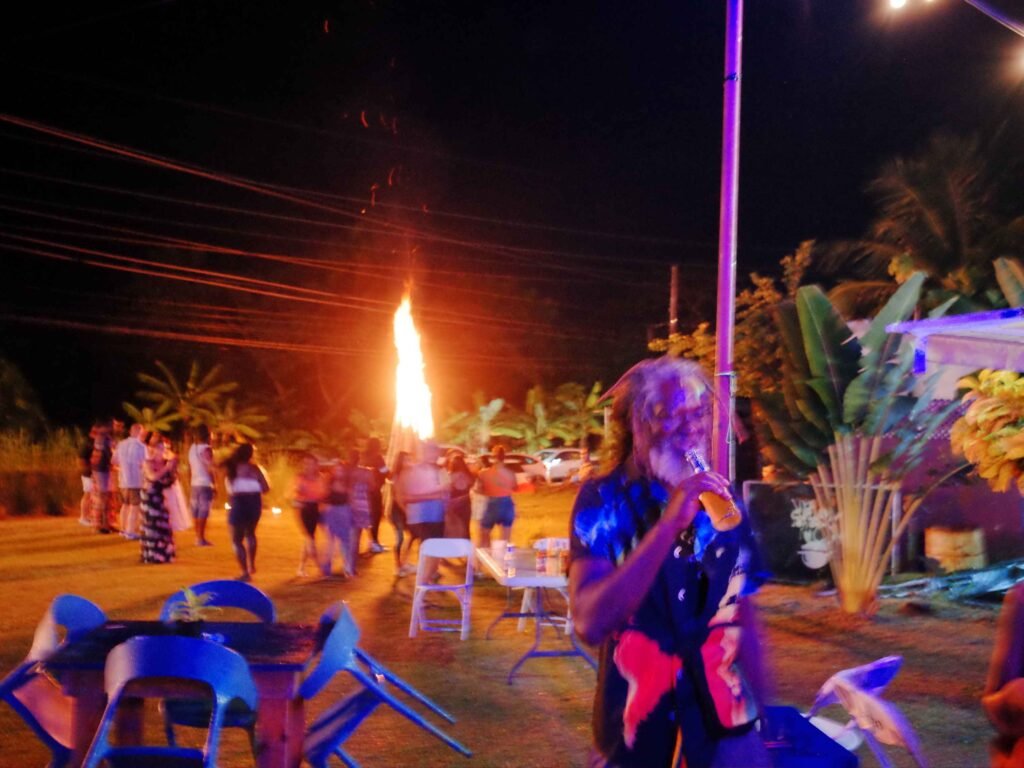
7. CHECK OUT THE CASTARA BONFIRE OR THE BONFIRE AT MOON OVER WATER
On Thursdays, everyone in Tobago heads down to Castara and for a good reason – weekly bonfire. Castara goes all out with the bonfire, with 2-3 bonfires lit through the night starting at around 8 pm. The bonfire is set up on the beach front near the Bar.
If you’re staying closer to Black Rock, then Moon Over Water Bar has their bonfire every Saturday. It’s smaller than the Castara one but still magical. They light the bonfire at around 11 pm, but people arrive earlier and hang out. There is a steel pan player who performed earlier in the evening, so we danced and married around from early evening.
We visited in November, and there were some intermittent rain showers on both bonfire nights, but this did not dampen things at all. It poured; we’d run inside then head back outside after the rain subsided.
At either bonfire, you can expect to meet and hang out with locals. We found Tobagonians to be warm and chatty. Everyone we met went out of their way to welcome us and make us feel at home. The bonfire is a nice icebreaker to feel that vibrant energy, meet people and spend a lovely evening in Tobago.
8. EXPERIENCE HARVEST OR A SUNDAY SCHOOL STREET PARTY
This is one of those experiences that kept coming up in conversations with locals, even though we didn’t get to experience it ourselves. If you happen to be in Tobago at the right time, Harvest is something people speak about with a lot of pride. During harvest season, villages come alive with families opening up their homes and welcoming anyone to pop in and share a meal. It’s less of an “event” and more of a communal way of life, which is probably why it feels so special.
Sunday School, on the other hand, is a regular street party in Buccoo. It used to be one of the biggest social events on the island, though locals told us it has died down a bit in recent years. Still, if it’s on while you’re there, it’s worth checking out. It’s a very local affair – music, food, dancing, and a good chance to meet more locals. The sense of community is so strong on the island, and hearing people talk about this made that even more clear.
9. SIGN UP FOR WATER SPORTS: SURFING, SNORKELLING, DIVING
If you want something more active than just floating in calm waters, Tobago is a gold mine for water sports.
Surfing is particularly popular around Mt Irvine, which is known as the island’s main surf spot. On one of the days that we were there, the surfers spotted dolphins in the water. We were recommended a local surf instructor and were told that going with someone who knows the conditions makes a big difference, especially if you’re a beginner.
Snorkelling and diving are also big here, thanks to Tobago’s clear waters and healthy marine life. Even without going far out, you can spot plenty of fish close to shore. We brought our own goggles, but you can rent snorkelling goggles at beach splattered around. There are also organised dive trips for those wanting to explore reefs.
If you would like to go out snorkelling near Nylon pool, then consider this tour that combines snorkelling at a reef near Buccoo, No Man’s Land and Nylon Pool: Luxury Reef and Nylon Pool Adventure
Tobago felt like one of those places where water sports felt accessible rather than over-commercialised. No queuing for activities – just ease and relaxation.
11. BIRD-WATCHING
Tobago ranks among the best places in the world for bird diversity per square kilometre. With over 260 different species of birds crammed into the little island,
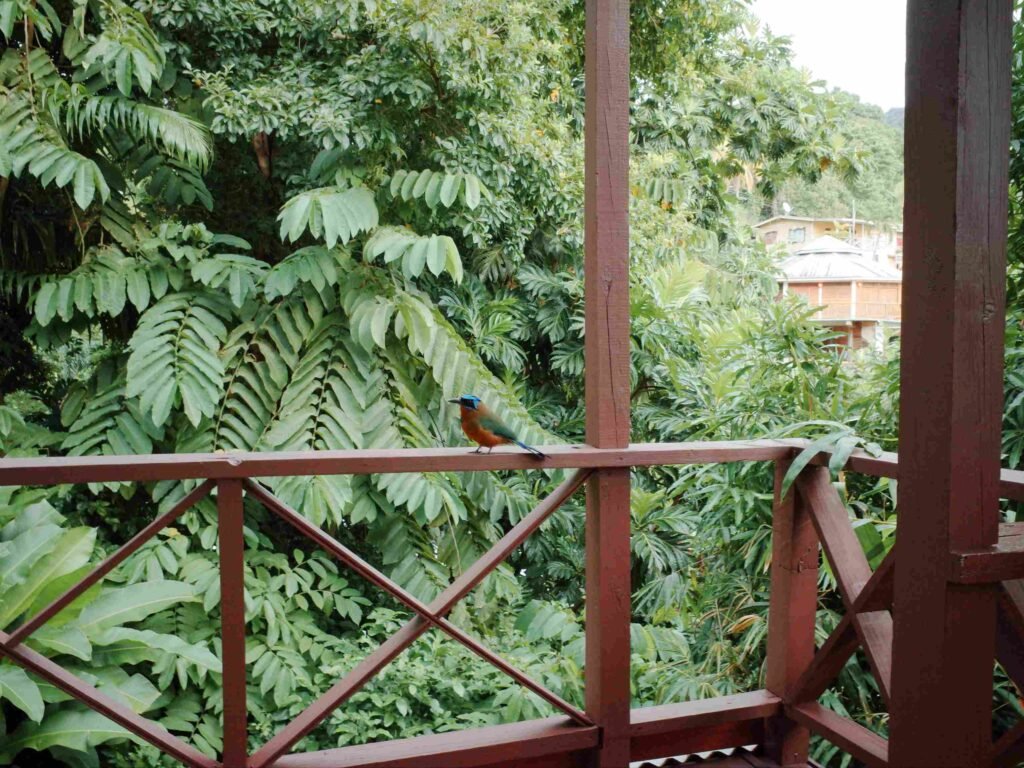
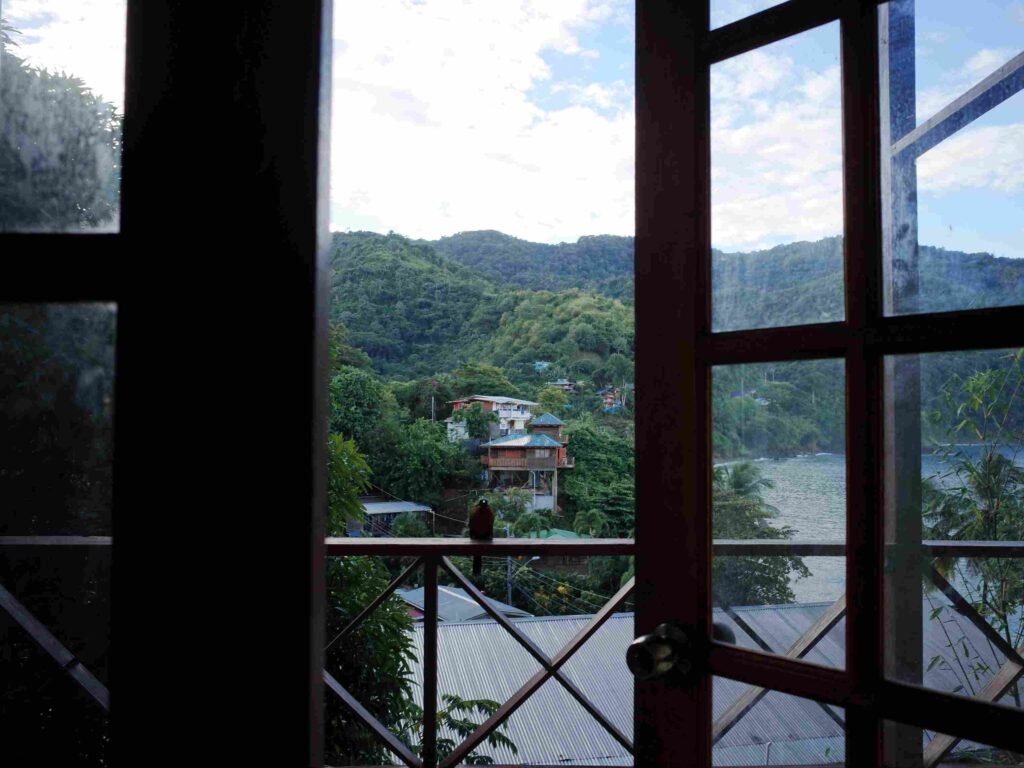
We didn’t even have to go far to do a bit of birdwatching. When in Castara, we stayed at Lillibets – an amazing accommodation minutes from the beach that I recommend for nature lovers. The room we stayed in was at the end of the second floor and the balcony was surrounded by trees. Every morning during breakfast, we’d get a lot of curious little birdies landing on the balcony or staring from the trees.
Some of the bird species we saw were: cocrico (called the Rufus vented Chacalaca, technically Tobago’s national bird which I found so loud and pesty), hummingbird, Trinidad motmot and bright yellow bananaquits. We also spotted a massive colorful gecko in the trees.
If you want to venture out, then the Main Ridge Forest Reserve is a paradise for birdwatching.
The best season for birdwatching is during the dry season, which runs from January to May. Nevertheless, we went in November, right at the cusp of the off-peak season and can attest that there is still a lot to do and see in the wet season.
10. MOUNTAIN BIKE AROUND THE ISLAND
My partner S wanted to explore more of Tobago, and mountain biking was a great way to see different sides of the island.
Mountain bike tours are offered by Eamon, a local Tobagonian, an amazing guy working to expand mountain biking across Tobago while also preserving ecological practices on the island. He offers guided tours through hidden waterfalls, beaches, forests, rivers, mangroves, and villages, and can share his extensive knowledge and expertise about the ecosystems.
Eamon also has some bikes you can rent. You can either join a group tour or organize an individual tour. Because the only group tour that week was an easier flat ride aimed at kids, S decided to do a custom tour more catered to his advanced skills. Their ride started very early and went through bamboo forests, cocoa trees with fallen pods, and grounds filled with big snails. They also spotted different birds (like a snakebird) and chatted about hunting practices around cayman crocodiles and gators.
If you want to bike in Tobago, check out Eamon at Tobago Mountain Bike Tours, and do let me know if you go on a tour.
12. DEPENDING ON SEASON, TRY BUSH MEAT OR WATCH A GOAT RACE
This one definitely falls into the ask around and see what happens category. Locals told us that bush meat is still part of life in Tobago, though it’s not something you’ll see advertised. Depending on the season, people hunt animals like armadillo and iguana, and if you’re curious (and respectful), you can ask around to see what’s available. It’s very much a local thing and not packaged for tourists, which is part of the reason it stays slightly under the radar.
Another very local experience is goat racing. yes, actual goat races. It’s exactly as chaotic and entertaining as it sounds. The Tobago Goat and Crab Race Festival usually takes place in April. You’ll find the goat race pitch is minutes away from Buccoo beach.
Like many things in Tobago, it’s bound to be memorable. Both of these experiences highlight a side of Tobago that feels raw, traditional and refreshingly unconcerned with outside expectations.
To ensure you catch one of these festivals or events, and immerse yourself in the rich culture of Tobago, stay updated on Visit Tobago website.
How you can plan activities in Tobago
Tobago is one of those places where the best experiences aren’t always planned down to the minute. We were quite impressed with everything we did, not even about the what, but how unforced everything felt. Tobago invites you to slow down, ask questions, and follow local recommendations (always ask locals!). It’s a place where you should NOT have super detailed plans. Leave space for the unexpected and the island will show you exactly why people fall in love with it.
If you’re still planning your trip to Tobago, then check out my other posts:
- How to get to Tobago: Routes from the US, UK and other Caribbean Islands
- The best way to get to Tobago from Trinidad – Should you fly or take the ferry?!

About wandering permit
Hi, I’m Becky – a world traveller who has visited over 40+ countries on my ‘weak’ African passport and successfully applied for multiple visas. I have also studied and worked across the US, Europe (Belgium, France and Denmark) – and currently live in London, UK. On Wandering Permit, I share real tips to help travellers navigate application processes and new destinations with less stress. My goal is to help make travel planning easy!