
How to Build Strong Travel History for Visa Applications
When you’re applying for a visa, one of the most important things the embassy is assessing is your travel history. Having travelled over 40 countries and received the all the ‘high requirements’ visas including the US, UK, Canada, and Schengen, I know how important travel history is in visa applications.
Simply put, travel history is one of the strongest pieces of evidence that increase the chances of getting your visa approved. A strong travel history shows that you are a credible traveller who does not have illegal immigration intent; essentially, you are someone who travels and comes back home. A visa applicant who has adhered to previous visa conditions, especially multiple times, is more unlikely to be an overstayer.
If you’re looking to travel more, and especially to European/Schengen countries, the UK, and the US – then you need to build a strong history of travel and visa adherences.
The different step by step ways to build a strong travel history for visa applications are:
- Start with ‘visa-free’ or visa-on-arrival countries
- Travel to nearby countries or regional hubs first
- Travel to a few easy visa and e-visa countries for your passport
- Gradually travel to more visa-required countries, before applying for the high requirements visa countries
- Document everything for future applications
Common Myths about Travel History
Before I discuss how to build and strengthen travel history, let’s clear up some of the biggest myths that stop people from even trying.
Myth 1: You must visit Europe of the US first for travel history to count
If your first trip is to Europe or US, then great. But sometimes people need to start somewhere. So nope, travel history is not a “Europe-only” club. A trip to Ghana, Turkey, Morocco or Thailand still shows the same thing: that you travelled and returned home. It is important that your early trips show your behaviour as a traveller.
The first trip does not have to be Paris or London. It has to be real, logical and compliant. Furthermore, if you’re a real traveller at heart, then start wherever you can, and the other countries will fall into place.
Myth 2: If you have been refused once, your travel history is ruined.
No one likes a refusal. But remember that a refusal is not the end of your travel dreams. How you respond to the refusal matters more. If your visa application is refused, then pause and assess why it was refused – don’t rush to reapply, and inadvertently worsen your case.
The first goal should be improving your profile, travelling strategically, and applying again with stronger evidence and changed circumstances.
Responding to a refusal the right way means your travel history can recover and even improve over time. If you’re applying for a Schengen visa, then check out common reasons for visa refusal so you can avoid and respond accordingly.
Myth 3: Strong travel history = luxury travel OR you need lots of money to build travel history
In fact, travel history is about showing consistency and compliance.
You don’t have to go to luxury hotels or fly business class. Initially, your travel history may be about simple regional trips on buses or budget airlines with modest accommodations. This counts and can actually show you are a responsible and realistic traveller.

What makes “Good” Travel History for Visa Applications
Good travel history, in the eyes of a visa officer at an embassy, is a record of trust. They are looking at how you have travelled.
Good travel history should show that:
- You consistently applied for visas honestly, and other embassies trusted you
- You travelled for the purpose you stated
- You respected the length of stay
- You returned home when you said you would
Generally, you need to have kept to the rules and conditions of the visas you were issued.
How to Travel in a way that strengthens your visa profile
As you travel, some ways you can build a ‘good’ travel history are:
- Always return home on time
This is one of the most important factors for a strong travel history. One overstay can easily undo years of good travel behaviour. It doesn’t matter how glamorous (or not) the trip is, visa officers are looking for that consistency of respecting the exit date of your visa.
Similarly, if you’re still early on in your travel journey, then avoid staying the maximum number of days just because you can. - Follow visa rules exactly as stated
Applications will ask whether you have ever been refused a visa or if you have ever breached your visa conditions (e.g. had a visa cancelled, mandatory removal/deportation from the country, entry banned from a country).
Generally, the consequences of not following visa terms can be quite severe and stay on your record therefore making you ineligible for other visas. To save yourself the headache, then always follow visa terms. - Ensure your trips make sense for your life situation
Visa officers don’t care about how your trip is. So, if you’re a student, short holidays trips during school breaks makes sense. If you’re employed, then one or two-week vacations fit normal work schedule.
Essentially, your travel history and travel plans should always look planned and financially realistic. - Travel for clear reasons: tourism, festivals, business, visiting friends or family
- Keep proof of all travel … stamps, boarding passes, hotel bookings
- Keep consistent employment and study ties
- Don’t overstay, ever
Step by Step Tips to Build Strong Travel History
1. Start by travelling to visa-free or visa on arrival countries
One of the smartest ways to start building travel history is by travelling to countries that don’t require a complicated visa process, or any visa process at all, for your passport.
This step is important because its like a training ground:
- It gets you moving sooner instead of waiting years to qualify for that ‘big’ visa
- It starts creating proof that you travel and return home
What counts as visa free or Visa on Arrival countries?
This will depend entirely on your passport, but usually it includes visa-free destinations, visa on arrival (VOA) and countries with regional trade agreements
In the case of visa-free and VOA , you are guaranteed minimal documentation, lower rejection rates and less pressure for first-time travellers.
I recommend visa free and VOA countries for travel as they allow you certainty and initial travel experience. Ultimately great way to start building your first layers of travel history.
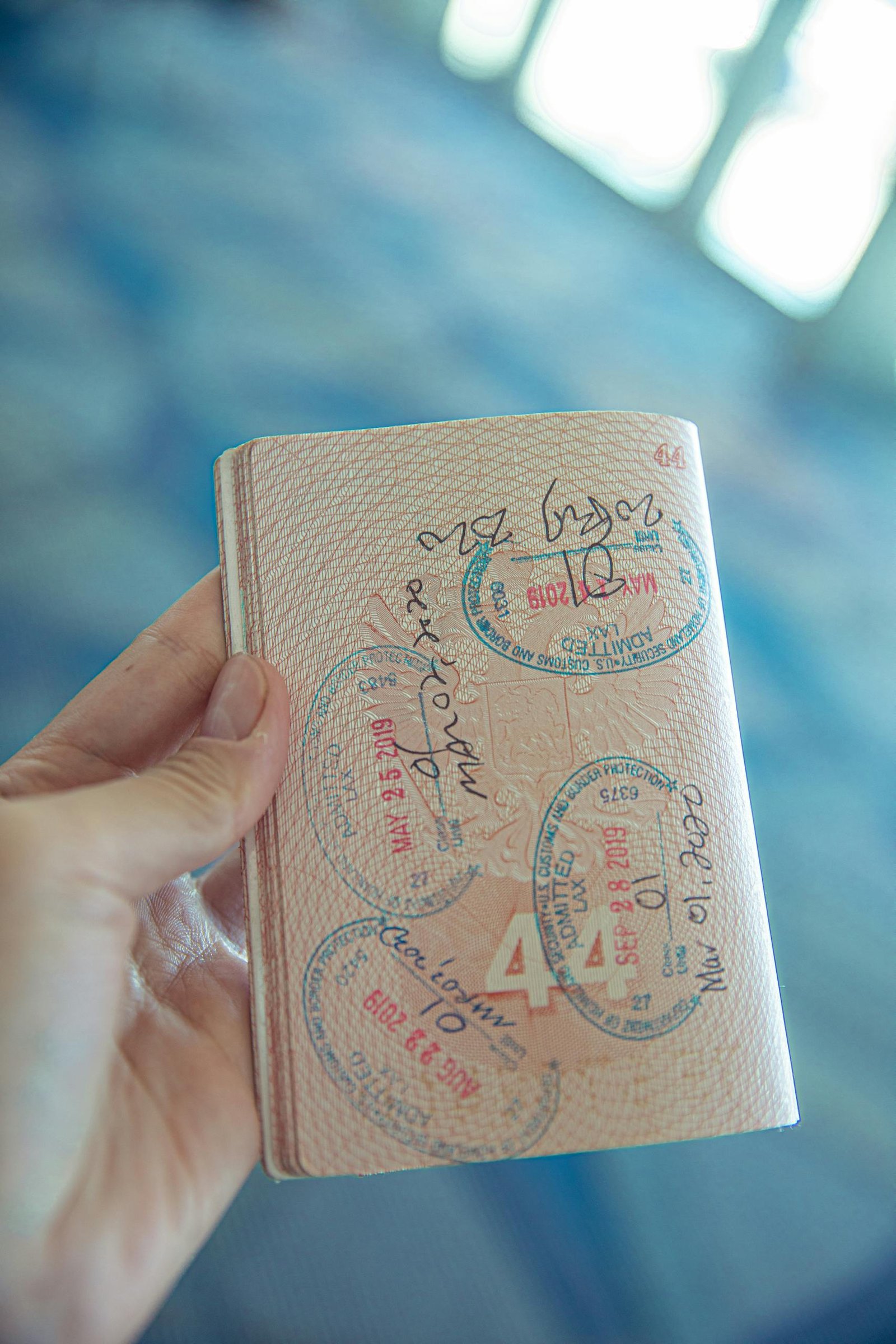
A stamp from visa-free country or a VOA shows that you crossed an international border, respected immigration rules and exited properly. This is often how strong travel profiles begin.
2. Travel to nearby countries and regional hubs
Regional travel is one of the most underrated ways to build travel history.
For instance, if you’re in Africa this might mean travelling within East Africa, Southern Africa, or West Africa. Similarly, if you can go beyond your region and explore other countries in your continent that have visa agreements with. For Africa, Kenya has a visa-free policy for all African passport holders.
If in Asia, then travel within southeast Asia, Central Asia, nearby island nations and so on.
Local travel is ideal as it’s cheaper and realistic for first-time travellers.
Don’t dismiss regional travel as “not impressive enough”. In fact, regional travel is great since it creates a pattern of travel. A traveller who has been to three nearby countries may actually have more credibility as a tourist than someone applying for a visa straight to Europe with zero travel record.
So don’t wait for the perfect destination. There may be five or so countries you can visit right now with your passport.

3. Travel to a few e-visa or easy visa countries (for your passport)
After you have travelled to countries that are visa-free, visa on arrival or in your region, then target those countries with visa or easy visa countries.
Again, this will depend entirely on your passport. The countries will often have simple online applications with fewer to minimal requirements. The application process tends to have a short processing time with lower rejection rates.
As a Kenyan, some countries I travelled using an e-visa were UAE and India. Morocco and Türkiye also offered me an e-visa, though requirements have constantly changed.
4. Travel to more visa-required countries
Once you’ve started travelling to visa-free or easy visa countries, the next step is not to jump to the hardest visa in the world. Instead, build your travel history like a ladder where you climb one step at a time.
You may want to begin with countries with moderate visa requirements, that is, those that still require a visa but are generally more accessible than UK, Schengen or US.
Depending on which passport you hold, this might include places like South Korea, Japan, Australia, Brazil.
These visas ask for similar requirements to harder countries like bank statements, proof of accommodation and an itinerary.
Moderate requirements visa countries are a great bridge between visa-free travel and high-risk embassies.
Ultimately, having passport stamps from these countries shows that you are someone who travels responsibly, does not overstay, and generally uses visas correctly. You also become more familiar with visa systems and applications.
What’s left from the ladder approach is to apply to high-requirements visa countries. Primarily, UK, Schengen, Canada, US.
Of course, previous travel to moderate visa requirements does not guarantee approval for the high requirement visas, but it builds your travel credibility. Each of the high-requirement visa processes have their own requirements, tips and documentation that you should carefully prepare for.
5. Document everything for future visa applications
The most vital component building and strengthening your travel history is being able to document and prove previous travel when filling out your visa applications. In fact, most applications I have filled have asked for a record of the previous countries I travelled to.
The UK visa application even asks for 10 years of travel history!
I have a separate post on visa application tips that save you time on applications.
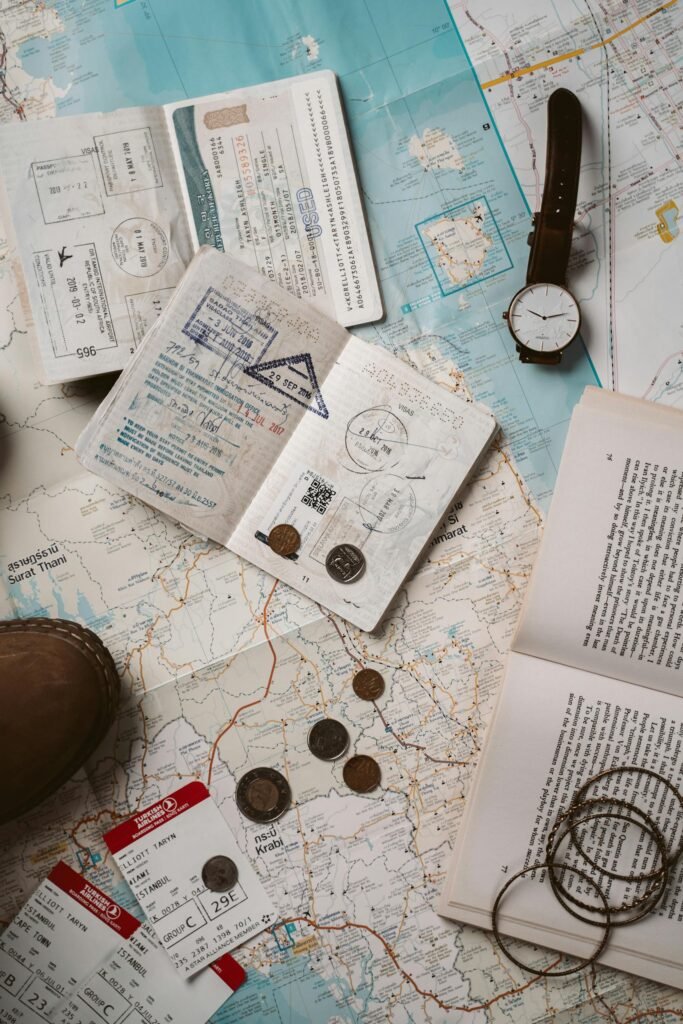
Documents to keep from every trip
For now, here are some of the documents you should always keep for future visa proof and reference:
- Old passports
- Visas and residence permits – especially important as some countries ask you to send in residence permits upon expiry or when you leave the country.
- Entry & exit stamps
- Boarding passes
- Hotel bookings
- Invitation letters
- Photos (optional but helpful)
- Train tickets
I recommend keeping both hard and soft copies of these documents, where possible.
What if you don’t have travel history at all
If you don’t have travel history, and are preparing for your very first application, then remember that it’s not a deal breaker.
People need to start somewhere, and travel history is something you build over time. If the passport is empty, then make everything else in your application work for you.
Some ways you can compensate for lack travel history in your application are:
1. Show strong financial proof
Apart from travel history, one of the strongest factors when visa officers are evaluating an application is proof of funds.
Your bank statement is much more important without travel history. This means:
- regular income
- enough funds for duration of travel (and extra to prove you are withing your means)
- no sudden large deposits
- clear link between job and savings
- and no fake documentation (under any circumstances)
If finances aren’t robust, then previous travel history will not save you anyway.
2. Strong ties to home country / reasons to return home
When your travel history is weak, then home ties become much more important.
This includes:
- Strong job
- Active studies and school enrolment letter
- Proof of leave, employer letter
- Family responsibilities
- Rental agreement or title deed
3. Great itinerary and purpose for your first visa
Here are some mistakes and lessons from my first Schengen visa, but what worked for that first visa was a clear purpose that is easy to understand (i.e. I had dreams of seeing Paris since childhood, I took French language in school etc).
Have a simple well-supported reason for travel. That could be tourism, conference, a short holiday. Then ensure your itinerary is well-researched and not overly ambitious and long for that first visa – 5 to 10 days trip duration may be the sweet spot. For the first one, always go simple.
Travel History is a Consistency Game
There is no one magic trick for a strong travel history. And there really is no timeline. Some people will build theirs in years, whereas others will take months.
More importantly, travel history is not built in one trip or one visa. Start travelling where your passport allows you to go, travel in ways that make sense for you, and this journey will strengthen the next one.

About wandering permit
Hi, I’m Becky – a world traveller who has visited over 40+ countries on my ‘weak’ African passport and successfully applied for multiple visas. I have also studied and worked across the US, Europe (Belgium, France and Denmark) – and currently live in London, UK. On Wandering Permit, I share real tips to help travellers navigate application processes and new destinations with less stress. My goal is to help make travel planning easy!
One Comment