
UK Visitor Visa Cover Letter: Do you really need one + How to write it
Applying for the UK visitor visa can feel like putting together a puzzle. You might have all the obvious documents: a completed application form, bookings, bank statements, payslips and letter from your employer.
But many travellers get stuck on the cover letter. Is it really needed to get a visa approval? How should one structure the cover letter? What information should you include and exclude?
Well, cover letters can be confusing. Moreso because it’s often mixed up with an invitation and sponsor letters.
What exactly is the cover letter?
A cover letter is a document written by the applicant or their immigration agent, intended for the Entry Clearance Officer (ECO – this is the caseworker deciding your application). It summarizes how the application meets the visa requirements or alternatively also clarifies the documents and evidence being submitted.
Essentially, if you want a clear place to explain everything or just add a more personal direct voice to your application – then that’s where the cover letter comes in.
Now, here’s the truth:
A cover letter is not a required document for a UK Standard Visitor visa.
I have successfully applied for multiple UK visas and honestly did not always include one in my applications.
In the document checklist provided at the end of your application, a cover letter is typically not included.
Whether or not to include a cover letter is entirely your choice.
Over time, I’ve realized that having a simple and brief cover letter is useful when there is a part of your application needs further explanation. Or when a cover letter is needed to connect the different informational dots of your application.
If your application is clear with all important documents evident, then it’s more probable that a cover letter doesn’t move the needle.
Do you need a cover letter for a UK Visitor Visa?
No, the UK home Office does not require a cover letter. However, in some cases, it is recommended that you include one.
In my case, all my previous UK visit visa applications have been submitted without cover letters. And they all got approved.
PS: I do have to add a caveat that I’ve likely met other requirements e.g. I have previous travel to the UK and other strict-visa countries, which has strengthened my UK applications.
Instead of a cover letter, I use the “additional information” section at the end of the application form to include any clarifications. One time I clarified my UK itinerary. Another time it was additional details about a conference I was planning to attend. In another application for study abroad study, it was to clarify that I was still awaiting accommodation booking confirmations.
I believe that a cover letter isn’t very helpful if it just repeats your documents. It should add some value to the application.
There really is no point just repeating what you already have in the application. Remember that the documents will carry more weight as actual proof of evidence. So, a cover letter stating that you make £20,000 a year means nothing unless this can be backed up by transactions in your bank account.

When to include a cover letter in your UK visa application
To decide whether to write a cover letter, ask yourself a few questions:
- Is there something that requires further explanation and is not covered within the application questions?
- Can the clarifying explanation be included in the additional information boxes within the application form
- Would the decision-maker be left with questions regarding any of the documents you have submitted?
I do recommend including a short cover letter in certain circumstances:
- If it’s your first visa application
- If you are being sponsored, especially by a family or friend
- If your financial situation needs any context, or any part of your application needs explaining
- If you are reapplying after a refusal and need to explain how your circumstance have changed or you need to actively direct the ECO to new information
Remember, a cover letter can explain things. But it is never a substitute for having the right documentation.
Best Format and Tips for UK Visa Cover Letter
When writing the cover letter for your UK visit visa, it should be as easy as possible for the caseworker to read and understand.
Visa caseworkers are going through stacks of applications every day and working to pull our the most vital information. Your goal is to provide that information and make it easy for them to approve the visa quickly.
Here’s the format that works:
Keep it to one page (two max)
Remember how I said I use the ‘additional information’ sections in the application form itself? You can consider doing that, as the application form itself is very exhaustive.
If doing a cover letter, then ideally your letter should fit to one page. It’s fine if things spill over, but anything over two pages is overkill.
Keep it short and to the point.
The shorter the letter, the better.
You’re not telling your entire life story, just:
- Why you’re visiting
- How you’ll fund the trip
- If using a sponsor, then justifying the reason for the sponsorship
- Why you’ll return home (i.e. ties to home country such as family responsibilities)
- Any information in the application that you feel needs clarification
- For instance, I’ve previously mentioned why I taken multiple short trips to the UK. At the time, I was concerned that it would look like I had too many successive trips to the UK.
Make it clear and easy to scan
Think of your letter like a quick briefing note, that is easy to follow.
Where possible, always use:
- Short paragraphs
- Simple sentences
- Logical flow
If you’re including things like an itinerary, then present it in a simple format
- Day 1 – London: Big Ben, Parliament, National History Museum
- Day 2 – London: Shoreditch, Broadway Market, Columbia Road Flower Market
- Day 3 – London to Edinburgh: Train from London to Scotland
- Days 4 – 5: Scottish Highlands (Tour booked with Rabbies)
Use a small table to make it even cleaner.
Font and Structure
The cover letter should be formatted like a business letter.
Font: Any professional readable fonts work. Common ones include Times New Roman, Arial, Aptos. You may want to use Size 11 to increase likelihood of fitting within a page
Alignment: left alignment
Spacing: Single-space (1.0) between lines, with some spacing between paragraphs to make it more readable.
What information to include in a Standard Visit Visa cover letter (step-by-step)

When writing your cover letter, think of it as walking the visa officer through your application in a clear, logical order. Remember some of this information may have already been asked for in the application.
If you already provided it clearly, then consider omitting the applicable section. You do not need to unnecessarily repeat things.
Here’s exactly how to structure a cover letter:
1. Start with your contact information and address
- Full name, address, phone number, email address, date
- Then include the address where you are submitting your application. Often:
UK Visas and Immigration (UKVI) / British Embassy
City, Country
2. Begin the content with Your Personal and Application Details
I start by including a formal subject line, for example:
Dear Visa Officer,
SUBJECT: APPLICATION FOR VISIT VISA TO UK
Then the sentences of the letter will have the basics:
- Your full name and passport number
- Your nationality and current residence status
- The visa type you are applying for (Standard Visitor Visa)
- The dates I plan to visit the UK
This sets the context straight away.
3. Clearly State Your Purpose of Travel
Be direct about why you’re visiting the UK.
Whether it’s:
- tourism
- visiting family or friends
- business or an event
👉 Keep it to one clear purpose
If your trip involves multiple reasons, focus on the main one, ideally the one that aligns best with your documents and itinerary.
4. Outline Your Travel Dates and Itinerary
Next, give a simple overview of your trip:
- Entry and exit dates
- Cities you plan to visit
- Key activities
You don’t need to list every hour of your day – just enough to show your trip is planned and realistic.
5. Confirm Your Accommodation and Travel Plans
Explain where you’ll be staying and your travel arrangements , if made:
- Hotel bookings (for tourism)
- Or host details if staying with family/friends
- Flight reservations
Keep it brief, your supporting documents should show the details.
6. Show Your Ties to Your Country of Residence
This is one of the most important parts of your letter.
You want to clearly show that you have reasons to return home after your trip.
This can include:
- Your job (role, company name, length of employment), approved leave from work
- Business ownership (if applicable)
- Family responsibilities: any dependants, people you care for?
- Property or ongoing commitments
You’re essentially answering: why will you come back?
7. Explain How Your Trip is Funded
Be clear about who is paying for the trip.
If self-funded: briefly mention your income and savings, and that you’ve attached bank statements.
If sponsored: explain your relationship with the sponsor and what they are covering. Check out my UK Visit Visa sponsorship guide for more detailed overview on documents.
Keep this aligned with your financial documents – everything should tell the same story.
8. Mention Your Travel History and Previous Refusals (If Relevant)
If you’ve travelled before – especially to places like the UK, Schengen, US, or Canada – you can mention it briefly.
The UK values travel history quite a lot, as it helps show that you’re a genuine traveller.
If you don’t have travel history, that’s completely fine – just make sure the rest of your application is strong. (You can also check out how to strengthen your travel history for future applications)
Additionally, this is also the section you want to address any previous refusals. You can mention it in a matter-of-fact way, and expand on how this application is different and how your circumstances have changed.
9. List Your Supporting Documents
Towards the end of your letter, include a short list of the documents you are submitting for UK visitor application.
My advice: While including this does not hurt, it is not as important for the UK visit cover letter. The visa application already generates a list of supporting documents, which allows you to manually add any additional supporting documents.
That form will have more visibility for the caseworker referencing your application, than an optional cover letter.
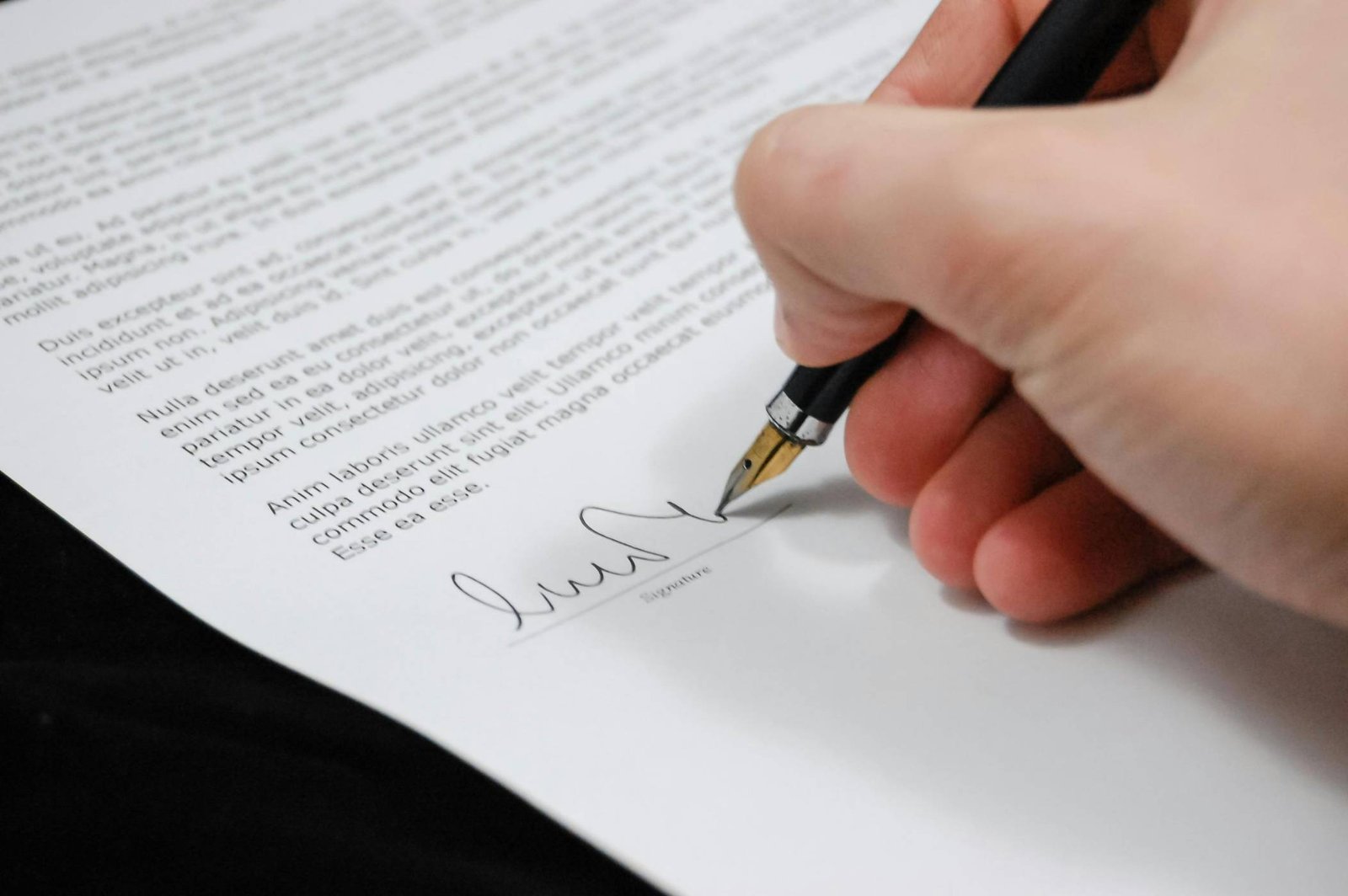
10. Sign and Date Your Letter
Sign your name at the end.
Simple, but easy to forget.
So is a visa cover letter necessary, and how do you write it?
It’s understandable why the question of the cover letter can be confusing.
In some cases – such as first visa application, using a sponsor to fund the trip, reapplying after refusal or complicated cases – then a cover letter is necessary to elaborate and clarify your application.
However, if your application is straightforward and your cover letter merely repeats the information already presented, then it may not be adding a lot of value.
The cover letter is typically something you can prepare yourself and it will include sections like your personal details, travel plans, ties to home country and financial plans for the trip. Take some minutes to draft yours with the structure I have provided above.
Aim to keep it short, structured and always aligned with your supporting documents.
If you’re working on your UK visa application, it’s worth double-checking the rest of your documents – especially your proof of funds, sponsorship details, and travel history.
Check out other UK Visitor Visa Posts
- UK Visitor Visa Documents Checklist: What I Submitted and Why It worked
- UK Visitor Visa Sponsorship Explained: Who Can Sponsor You, What to Prove & Documents Needed
- Strong Ties to Home Country for UK Visitor Visa: What it Means & How to Prove Them
- UK Visitor Visa Travel History: Does it matter?
- 8 Common UK Visit Visa Refusal Reasons (and how to avoid them)
- UK Visitor Visa Cover Letter: Do you really need one + How to write it
- Do You Need Flight Tickets and Hotel Bookings for a UK Visitor Visa?

About wandering permit
Hi, I’m Becky – a world traveller who has visited over 40+ countries on my ‘weak’ African passport and successfully applied for multiple visas. I have also lived in the US, the UK and Europe (Belgium, France and Denmark). On Wandering Permit, I share real tips to help travellers navigate visa application processes and new destinations with less stress. My goal is to help make travel planning easy!
4 Comments