
Smart and Intentional Travel Tips: How to Spend Less and Travel Mindfully
Omio , the leading travel booking platform, recently released their 2025-2026 travel trend report based on a survey of over 10,500 people worldwide. The report highlights that amidst a messy world, travel will continue to thrive in the coming year. Travellers always find a way. However, the way we travel is changing from emotional driven to more intentional travel.
In this blog, I’ll share some tips to help you plan trips that are fulfilling, save you money and feel gentler and more intentional.
Tip 1: Plan Smart: Travel off season and book early
With rising cost of living, inflation, and unemployment – having enough money for travel can feel extra difficult. You may not have control over global events, but you can be strategic about taking holidays amidst all the doom and gloom. Some things you can consider to save time, money and stress:
- Travel in the off season: Off season travel is easier, cheaper and often better. If you have ever struggled to book last-minute accommodation in a great location or even, take a photo without crowds in the background – then it’s likely that you travelled in peak season. Shifting your trips just weeks later can completely change your experience.
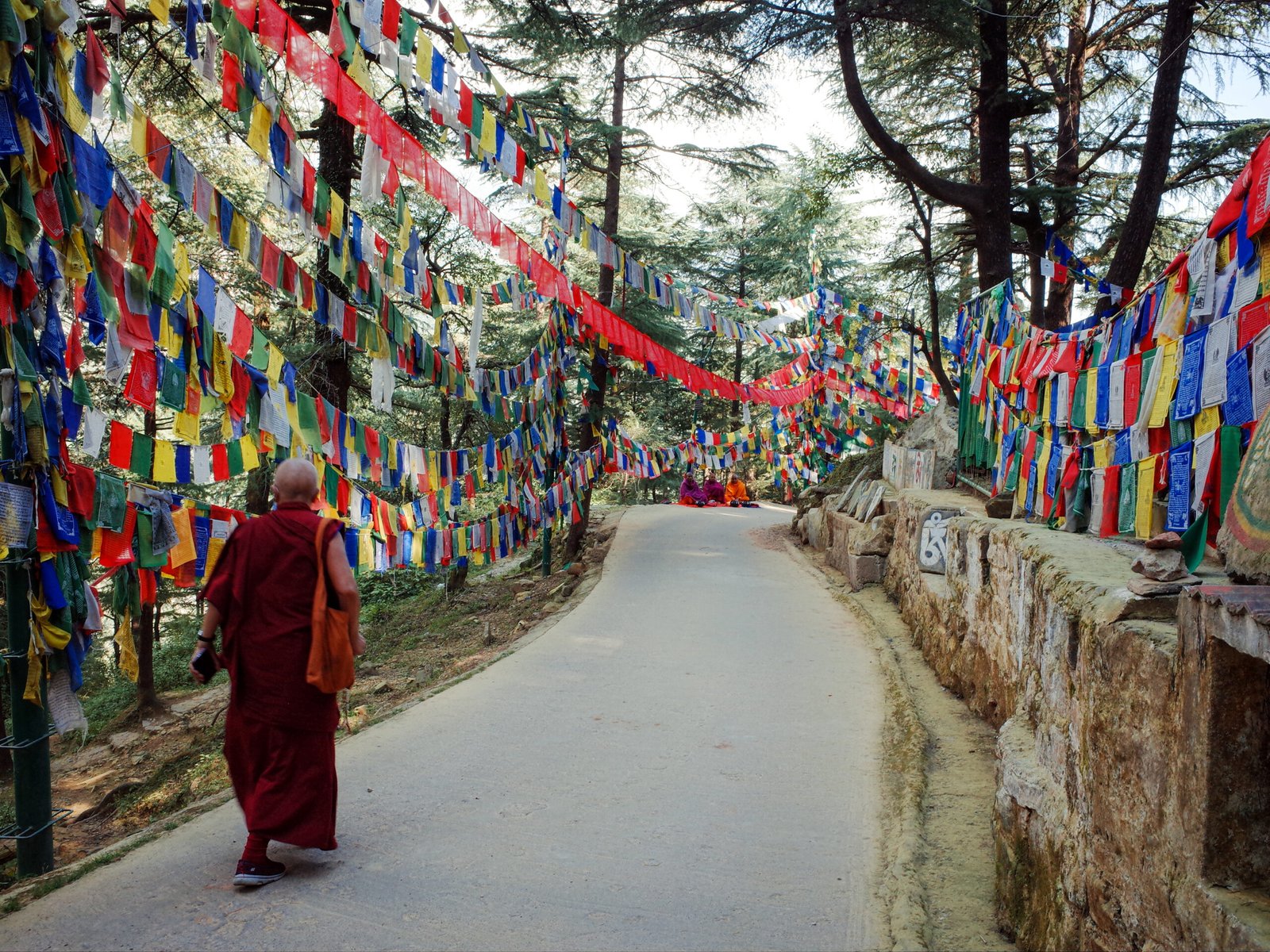
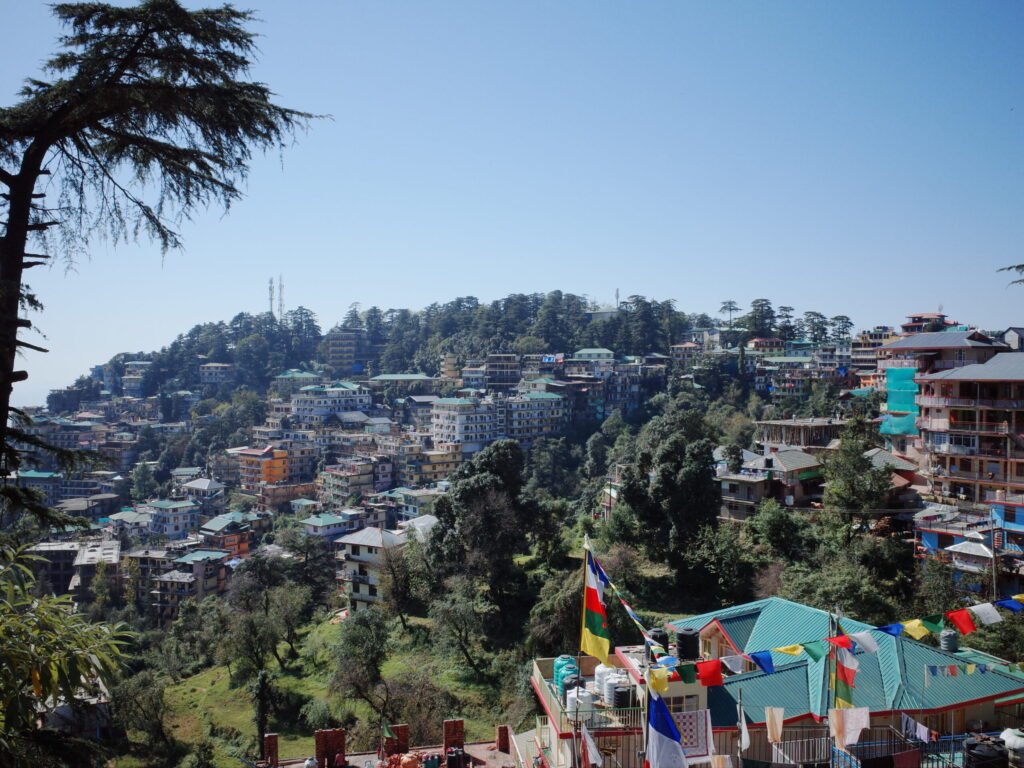
For instance, visiting Italy in late October or November (before winter sets in) means fewer crowds, mild weather and lower hotel prices. Prices can be even half summer rates. I was in India in the period after the monsoon (September to early November) which meant cooler air making places like Jaipur much more comfortable to explore.
Next time you plan a trip to your dream destination, then look into shoulder season, and compare flight and accommodation prices. You’ll likely find the same experience but gentler with less crowds, heat and stress.
- Book early and plan more carefully: As someone who must apply to visas for most places, I am intimately familiar with the need to book early. While you let go of the excitement of spontaneous travel, booking early has its own benefits.
You have more time to research your destination and make smart spending choices. You can compare hotels and get good deals before places sell out.
For instance, for flights, I will typically start searching and set a Google alert for flight drops (or use a tool like Hopper which can predict flight prices).
Booking early means you can focus on things like visa processes, which can sometimes present last-minute stress before a trip – as I learnt with my India evisa process.

Tip 2: Save more: Be a travel thriftie
Intentional affordable travel is about being a ‘travel thriftie’. A travel thriftie is someone who keeps an eye out for deals and stays open to changing plans if it saves you money or improves your trip. You want to spot great fares before they disappear. Keep an eye on tools like:
- Google Flights price alerts
- Skyscanner’s “Everywhere” search
- Booking.com Genius program
- Omio’s train and bus comparison tool.
If you have any flexibility, then it can really save you money. Consider tricks like flying on random weekdays, a day or so earlier, or going to a random smaller airport. Same for accommodation – be cunning about boutique hotels or guesthouses that offer discounts for longer stays.
Case in point: this winter, we (my partner and I) are doing a spontaneous trip to Trinidad & Tobago, and staying at a guesthouse that offers discounts for weekly stays. I don’t know much about the country, but I wanted some winter warmth.
After doing extensive research into the Caribbean, we decided to skip more known and more expensive destinations like Bora bora or Barbados, and check out Trinidad & Tobago instead.
Tip 3: Travel Better: Slow down and Stay Longer
Like most people, I have limited PTO leave days to dedicate to travel, so I’ve often fit in as much travel as I can during my time off. It’s no surprise that I sometimes come back home feeling exhausted and burnt out. I’ll often joke that it’s like I need another vacation after my holiday.
I’m sure a lot of people can relate to that tiredness that comes from moving too much – racing to catch the next train, checking in and out of hotels, and squeezing in as many landmarks and steps into a few days.
Commit to slowing down by going to fewer destinations or staying longer. When you stay in one place, you stop feeling like a tourist and start to get a better sense of the local rhythm. Longer time in a place means you’re able to explore deeply and really connect with the location.
Plan to find your favorite spots in your destination or even experience a location in different hours – quiet mornings when the city is waking up and evenings when stillness returns.
To feel even more recharged, build pauses like rest days into your next trips. Alternatively, why not return to the places you have loved before. Sometimes, the best way to see and experience more is to move less.
Tip 4: Recharge Fully: Choose meaning over travel milestones
As someone who is focused on counting how many countries visited, I am now slowly realizing that not every trip needs to be a big adventure or a new country to cross off. Sometimes the most meaningful trips trips are the quiet ones.
So why not focus on making travel more restorative, and emotionally grounded rather than performative?
- Choose connection over curation: Instead of focusing on what will look good in photos, focus on how places will make you feel. During your travel, try make more space for conversations with locals, focus on local experiences and visiting non-tourist spots too.
- Go somewhere close to home: We often overlook the beauty in our own backyards. Maybe try a weekend drive to the beach, a walk in a park nearby or even explore that town you’ve always passed through. Shorter trips can be just as refreshing , especially when you approach them with the same curiosity you’d take to a new country.
- Consider travel for wellness : If you’re not already, consider choosing a quieter stay – a spiritual or yoga retreat , or even just somewhere you can hear yourself think again.
- Solo travel always: Similarly, solo travel can be so good for intentionality . Plan a solo trip where you can explore at your own pace and freedom. Or go somewhere quieter where you can spend a few days alone spent reading, journaling or even resting.
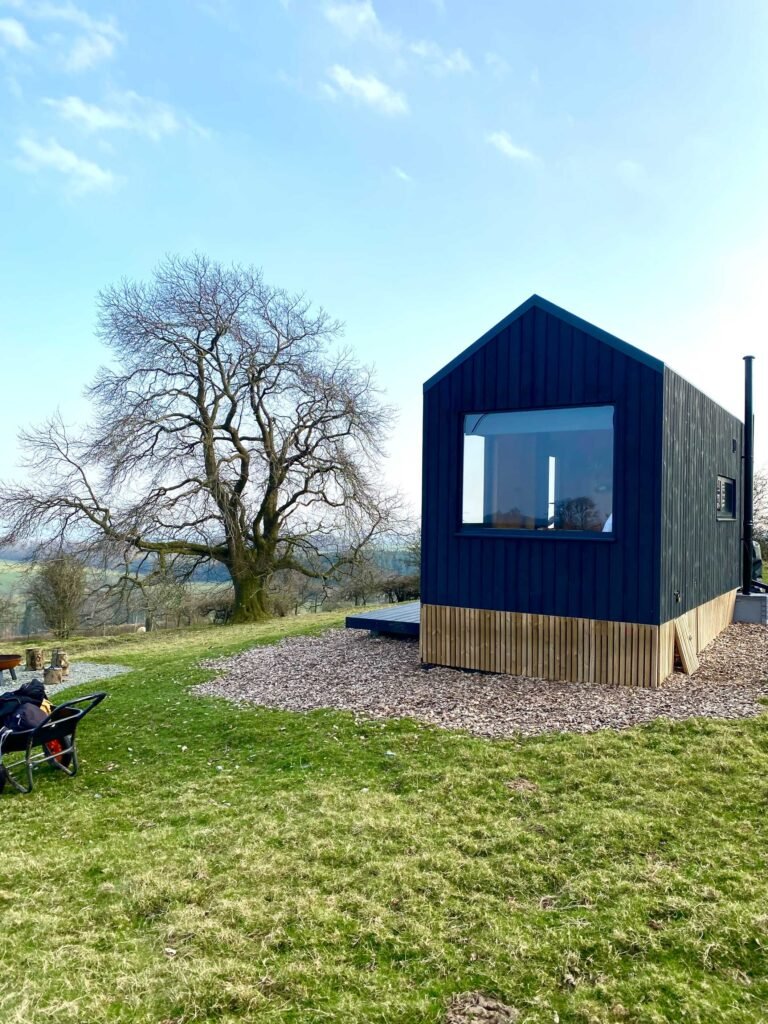
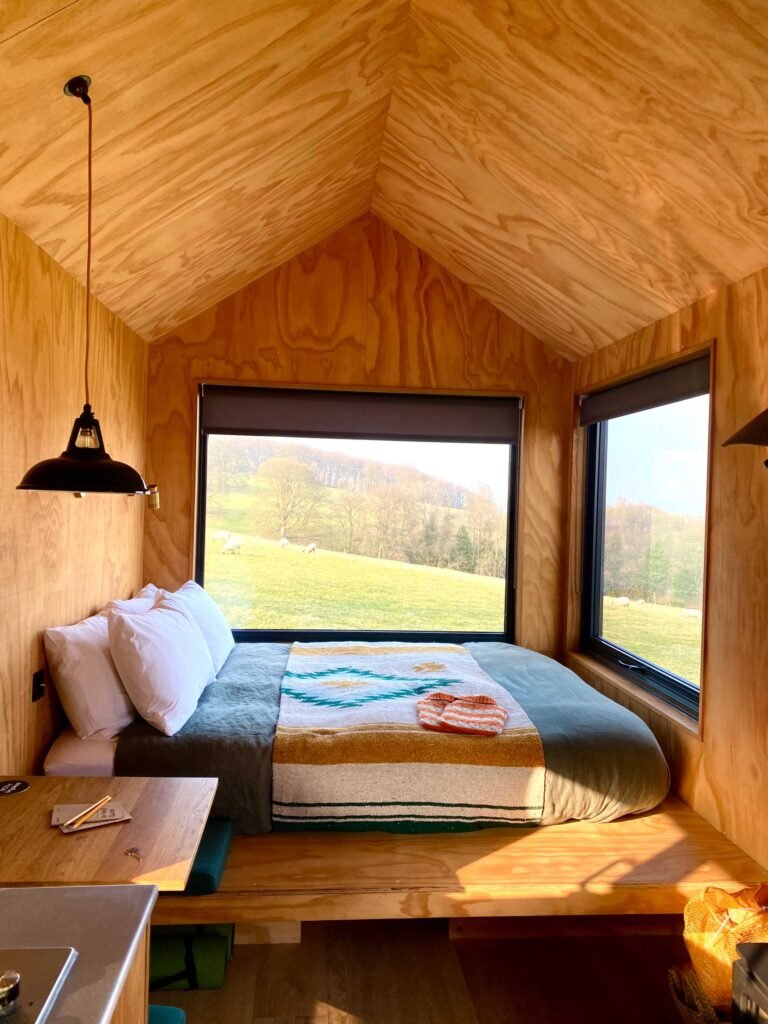
For my birthday early this year, I rented a cabin in the countryside near the England-Wales border. It was only 3 hours by train from my London home – but it was one of the most meaningful and restoring trips I’ve had. I am so fond of those couple of days I spent reading, journaling, stargazing, taking walks and sitting by the fireplace.
It might be worth planning fewer trips that genuinely recharge you. The goal should be to travel in a way that you come back home lighter, clearer and more connected to yourself.
Tip 5: Choose Wisely: Seek Quieter Places
These days, I’m enamoured with visiting places that aren’t on people’s list or on every reel. There’s such a special beauty in going beyond the big-name places to under-the-radar destinations that are not over touristed.
I honestly think lowkey places offer a more genuine and personalized travel experience. You see the destination in its beauty and your spending can really support smaller locally owned places.
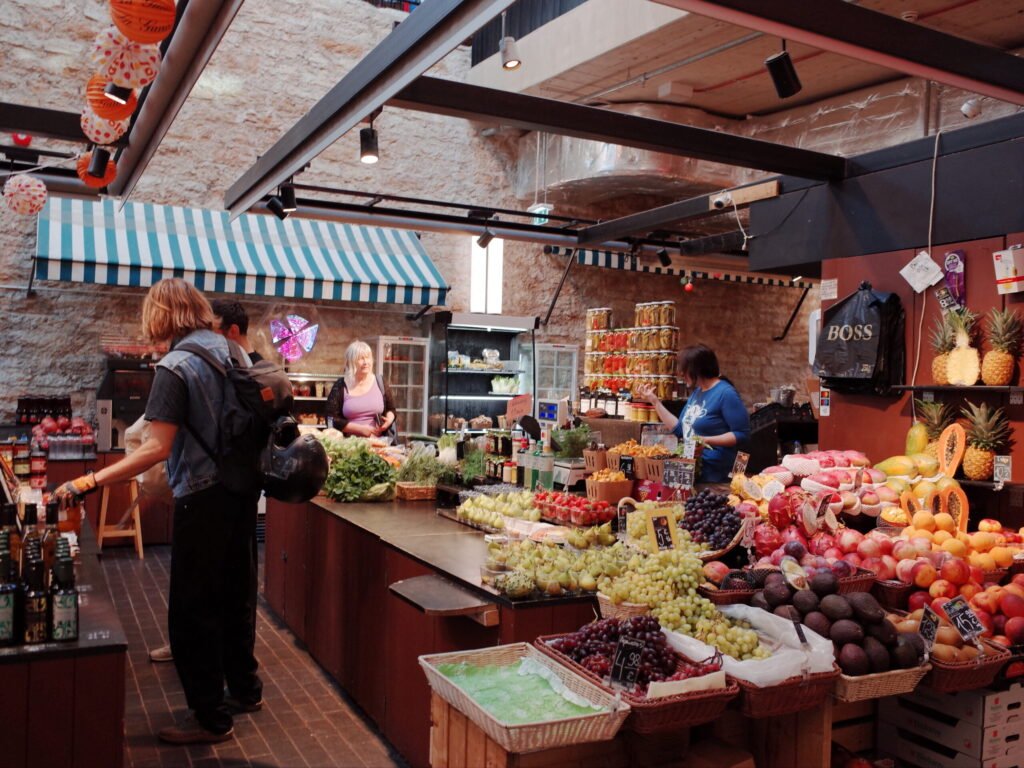
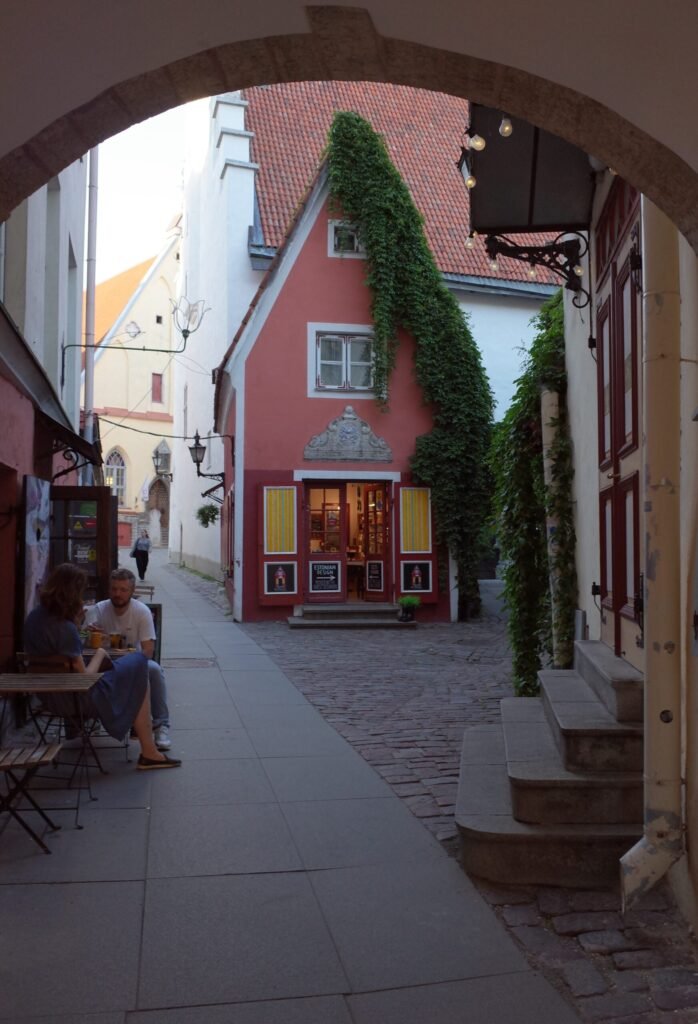
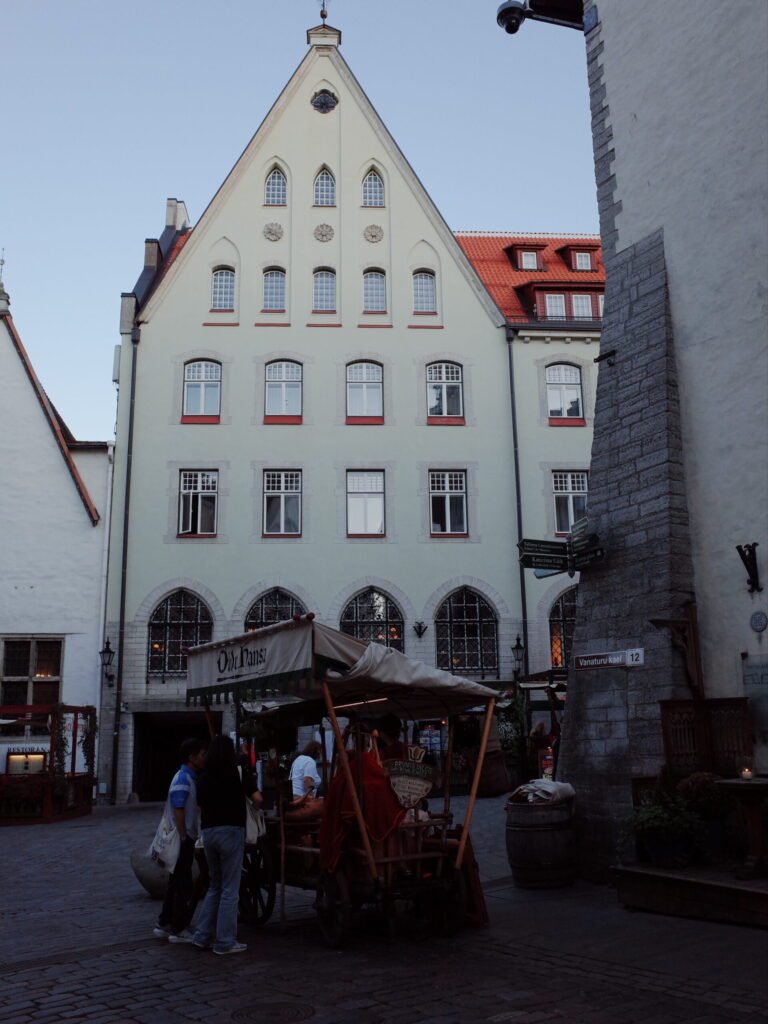
I travelled the Baltics – Estonia and Latvia – in September and the experience was so different: calm streets, warm locals and a slow lingering pace. Even in the busiest spots and cafes, I could take my time.
When planning your next trip, consider choosing second cities. You don’t need to travel so far off a map E.g. if travelling Japan, why not go beyond Tokyo, Kyoto and Osaka?
Closing Thoughts: Different way of travelling
Travel doesn’t need to be about going to more places. It should be about doing things differently – spending smartly, slowing down, choosing meaning and exploring quieter corners of the world.
Intentional travel is about putting more thought and awareness in the way we move through spaces, and in our selves. The goal should be to return home with stories but also feeling rejuvenated and refreshed.
That’s it from me. Happy travelling.

About wandering permit
Hi, I’m Becky – a world traveller who has visited over 40+ countries on my ‘weak’ African passport and successfully applied for multiple visas. I have also lived in the US, the UK and Europe (Belgium, France and Denmark). On Wandering Permit, I share real tips to help travellers navigate visa application processes and new destinations with less stress. My goal is to help make travel planning easy!